
In 2026, WordPress blogging is no longer about just writing contact- its about building a smart trrafic system. Search engines are smarter,readers are important, and competition is higher than ever. To win trrafic today, bloggers must combine SEO, Content strategy performance optimization and audience psychology, this guide explains how to created a WordPress blog that attracted consists organic traffic and converts visiter into loyal readers. Whether you are starting frash or struggling with low trrafic. Thai blog will help you understand what works in 2026 and how to apply proven strategies step by step for long-term growth.
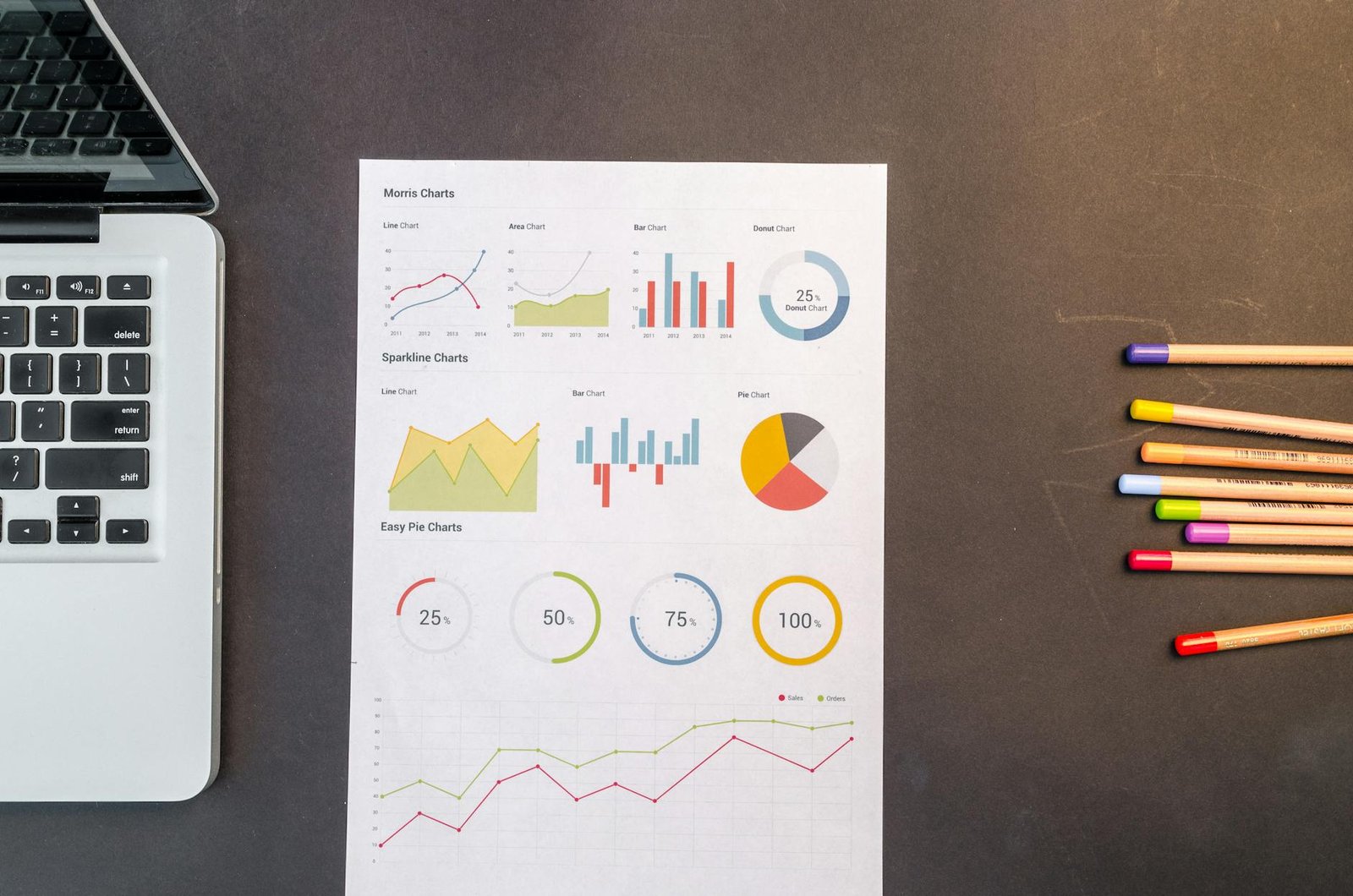
High-quality content remains the foundation of WordPress traffic in 2026, but quality now means depth, originality, and usefulness. Google prioritizes blogs that solve real problems clearly and completely. Thin articles no longer rank. Each post should fully cover one topic with examples, explanations, and updated data. When users spend more time reading your content, search engines treat your blog as trustworthy. Focus on writing for humans first, then optimize for search engines without keyword stuffing or forced phrases.
Keyword research has evolved beyond basic tools. In 2026, smart bloggers focus on search intent rather than just search volume. Informational, transactional, and navigational intent must be clearly matched with content type. WordPress plugins like Rank Math and AIOSEO help identify intent-based keywords. Long-tail keywords bring less traffic individually, but together they generate stable growth. Creating content clusters around one main topic improves topical authority and boosts rankings naturally.
Website speed plays a massive role in traffic growth. Google measures user experience through Core Web Vitals, and slow blogs lose rankings fast. WordPress users should use lightweight themes, optimized images, and proper caching. Hosting quality matters more than ever, especially for global traffic. A fast website reduces bounce rate and increases page views, which indirectly improves SEO performance. In 2026, speed optimization is not optional—it’s mandatory.
Mobile optimization is another major traffic factor. Most users access blogs from smartphones, and Google indexes mobile versions first. WordPress themes must be responsive, readable, and touch-friendly. Font size, spacing, and navigation affect how long users stay. A smooth mobile experience increases engagement signals, helping your blog rank higher. Bloggers who ignore mobile design lose both traffic and credibility.
Internal linking helps search engines understand your content structure. In 2026, strategic internal links distribute authority across your blog. Every new post should link to older related posts, and vice versa. This keeps users exploring your site longer and reduces bounce rate. WordPress makes internal linking easy with block editors and SEO plugins. A strong internal structure improves indexing and helps new posts rank faster.
Content freshness matters more than ever. Updating old blog posts brings faster traffic than writing new ones. Google prefers updated information, especially in competitive niches. In WordPress, refreshing content with new examples, statistics, images, and improved headings can revive dead traffic. Bloggers who update old posts every 3–6 months see steady traffic growth without creating new articles daily.
Visual content improves user engagement. Images, infographics, and charts help explain complex ideas quickly. WordPress allows easy media optimization, but images must be compressed and properly labeled. Alt text improves accessibility and image search traffic. In 2026, visually rich blogs perform better because users prefer skimmable content over long blocks of plain text.
AI-assisted writing tools are common in 2026, but originality is critical. Google detects repetitive or generic AI content easily. Smart bloggers use AI for outlines, research, and editing—not blind publishing. Human experience, opinions, and examples differentiate high-ranking blogs from low-quality ones. WordPress bloggers who combine AI efficiency with human creativity gain a strong advantage.
Email marketing remains a powerful traffic source. Building an email list allows bloggers to bring visitors back repeatedly. WordPress plugins like MailPoet and FluentCRM make email collection simple. Offering free resources like guides or checklists increases sign-ups. In 2026, owning your audience through email protects your traffic from algorithm updates.
Social media traffic supports SEO indirectly. Sharing blog posts on platforms like Facebook, X, and Pinterest increases visibility and backlinks. WordPress makes social sharing easy through plugins. Viral posts often receive natural links, which strengthen domain authority. While social traffic may fluctuate, it helps new blogs gain early traction.
Backlinks remain one of the strongest ranking signals. In 2026, quality matters more than quantity. One link from a trusted site beats dozens of low-quality links. Guest posting, digital PR, and original research attract natural backlinks. WordPress bloggers should focus on link-worthy content rather than artificial link building.
User engagement signals strongly influence rankings. Comments, shares, time on page, and scroll depth indicate content value. WordPress comment systems and interactive content improve engagement. Asking questions at the end of posts encourages discussion. Engaged readers are more likely to return, boosting long-term traffic growth.
Schema markup improves visibility in search results. Rich snippets increase click-through rates without improving rankings directly. WordPress SEO plugins make schema easy to implement. FAQs, how-to guides, and reviews benefit most from structured data. In 2026, higher CTR often means more traffic with the same ranking position.
Voice search optimization is growing rapidly. Many users search using conversational queries. WordPress bloggers should write natural, question-based headings. Short, clear answers improve chances of appearing in voice results. Optimizing for voice search expands traffic sources beyond traditional typing searches.
Security also affects traffic. Hacked or insecure websites lose rankings quickly. WordPress security plugins protect against malware and spam. HTTPS is mandatory for trust and SEO. A secure website builds user confidence and protects hard-earned traffic from sudden drops.
Analytics guide smart decisions. Using tools like Google Search Console and Analytics helps understand what content performs best. WordPress dashboards simplify tracking performance. Data-driven bloggers adjust strategies based on real results, not guesses. In 2026, successful blogging is about continuous optimization.
Monetization strategies impact content planning. Blogs focused on ads need high traffic, while affiliate blogs focus on buyer intent. WordPress supports all monetization models. Aligning content with income goals helps prioritize the right keywords and topics. Traffic with purpose converts better than random visitors.
Consistency is more important than frequency. Posting once a week consistently beats publishing daily and quitting later. WordPress scheduling tools help maintain regular publishing. Search engines reward stable blogs with predictable growth patterns. Patience and discipline separate successful bloggers from failed ones.
Building authority takes time. In 2026, Google favors trusted brands over anonymous sites. Adding author bios, contact pages, and transparency builds credibility. WordPress makes branding simple through customization options. Authority blogs attract traffic naturally without chasing trends.
Long-term traffic success depends on adaptability. Algorithms change, trends shift, and user behavior evolves. WordPress bloggers who learn continuously and update strategies survive longer. Treat blogging as a business, not a hobby. Sustainable traffic comes from strategy, not shortcuts.



Pingback: The Ultimate Blogging Success Guide for Beginners to Build Traffic and Income in 2026–27 - Afreeoworld Guide