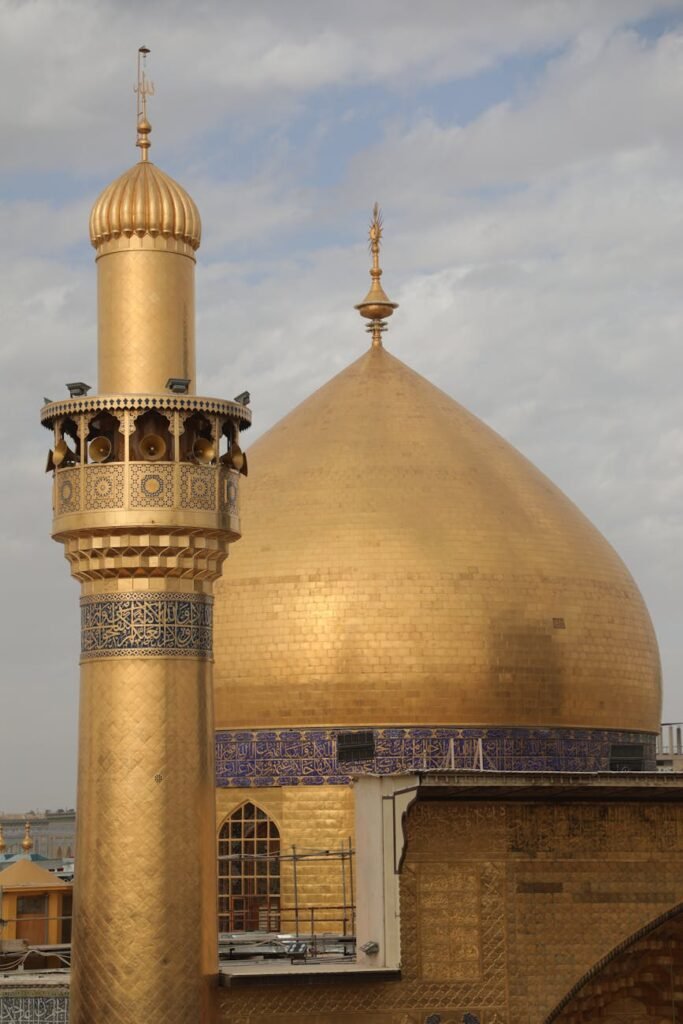
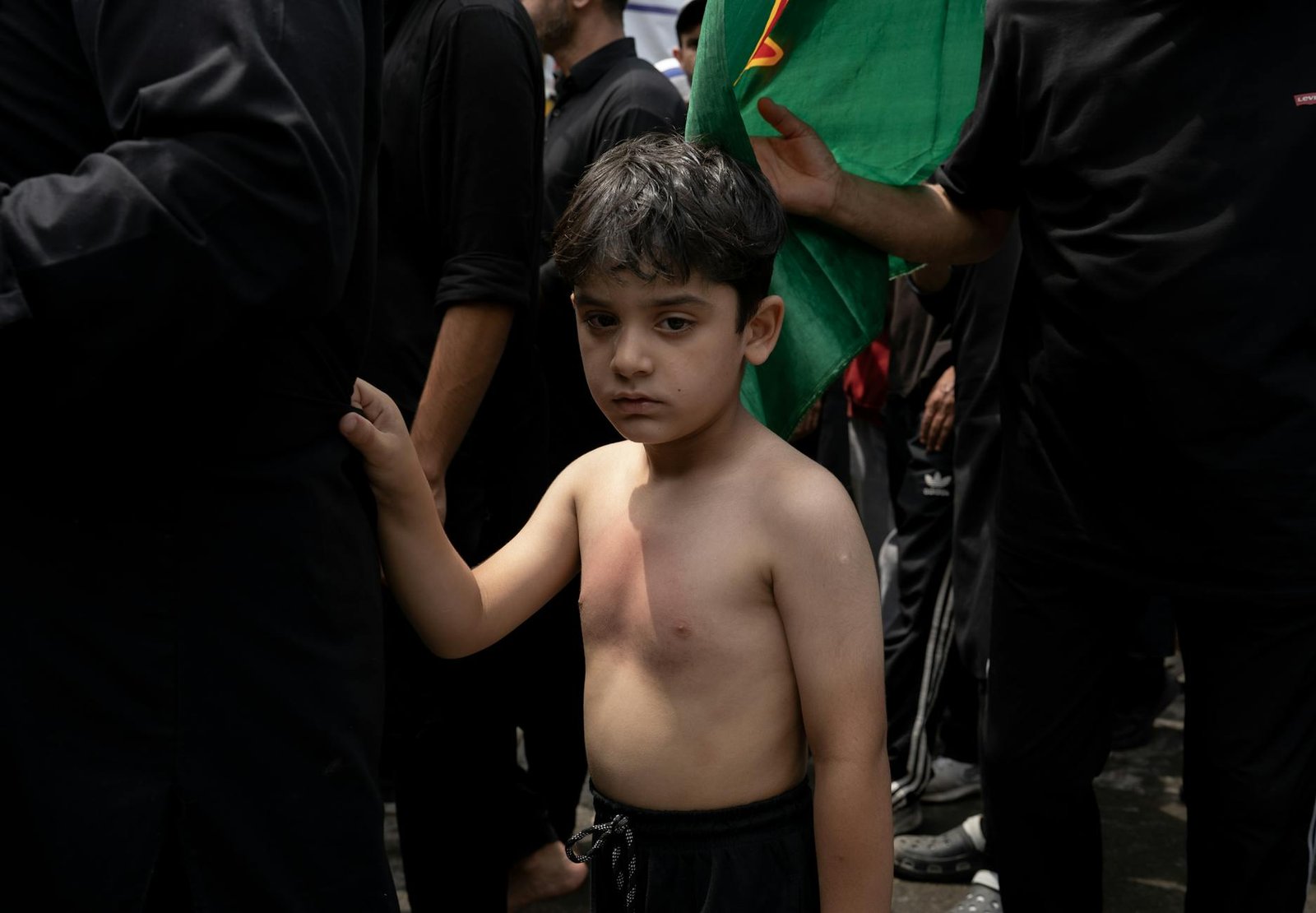
Ashura is not just a date; it is one of the most powerful days in the entire Islamic calendar. It is a day of reflection, remembrance, and reward — when Allah’s mercy flows upon those who remember Him sincerely. Every year, Muslims around the world fast on Ashura to follow the Sunnah of the Prophet Muhammad ﷺ and to honor the legacy of faith and patience. As 2025 approaches, the hearts of believers prepare once again to welcome this blessed day with devotion, gratitude, and remembrance.
What Does “Ashura” Mean in Islam?
The word “Ashura” comes from the Arabic root ‘Asharah’, meaning ten. It refers to the 10th day of Muharram, the first month of the Islamic lunar year. This sacred day carries deep historical importance — not only was Prophet Musa (AS) saved from Pharaoh, but centuries later, Imam Hussain (RA) stood for truth on the same date. Thus, Ashura represents freedom, sacrifice, and the eternal struggle between good and evil.
When is Ashura in 2025?
According to astronomical calculations, Ashura 2025 will likely fall on Monday, July 7, 2025, corresponding to the 10th of Muharram, 1447 AH. The exact date might vary slightly based on moon sighting in each country. Muslims in the USA, UK, and France are advised to check local Islamic calendars for confirmation. But regardless of the date, the spirit of Ashura remains timeless — a reminder to fast, reflect, and reconnect with Allah.
The Story of Prophet Musa (AS) and the Miracle of Ashura
The Prophet ﷺ told his companions that on this day, Allah saved Prophet Musa (AS) and his people from Pharaoh’s oppression by parting the sea. Out of gratitude, Musa fasted on this day. The Prophet Muhammad ﷺ, upon hearing this, said:
“We have more right to Musa than they do.” (Sahih Bukhari) So he fasted and encouraged all Muslims to do the same. The miracle of Ashura is not just historical; it’s a spiritual reminder that Allah’s help always arrives — even when the sea seems closed before you.
The Significance of Fasting on Ashura
The Prophet ﷺ said:
“Fasting the day of Ashura expiates (forgives) the sins of the past year.” (Sahih Muslim) Imagine — one simple act of worship wiping away a year’s worth of mistakes. That’s the beauty of Allah’s mercy. This is why fasting on Ashura is one of the most beloved Sunnah acts for Muslims who seek forgiveness and purification of the heart.
Fasting on the 9th and 10th of Muharram
The Prophet ﷺ advised:
“Fast on the day of Ashura, but also fast on a day before it (the 9th).” (Sunan Ibn Majah) This distinguishes Muslims from other communities who also fast on that day. Fasting on both 9th and 10th of Muharram increases the reward and reflects complete obedience to the Sunnah.
The Intention (Niyyah) for Ashura Fasting
Make your niyyah sincerely for Allah alone. Say silently before Fajr:
“I intend to fast on the day of Ashura for the sake of Allah.” This intention connects your action directly to your Creator. Fasting is not just hunger — it’s a statement of faith. When your body feels the pangs of thirst, your soul feels the sweetness of submission.
The Spiritual Rewards Hidden in Ashura
Ashura fasting is more than forgiveness — it’s a chance for inner transformation. On this day, Allah rewards every act of kindness tenfold. Helping someone, feeding the poor, reading Quran, or making sincere dua all multiply in reward. In the world of distractions, this day becomes a peaceful pause — a time to realign your heart with your purpose.
The Powerful Dua for the Day of Ashura
Make this dua on Ashura:
“Ya Allah, bless me with Your mercy, forgive my sins, and guide me to the straight path.” Many scholars recommend also reciting Surah Al-Ikhlas, Al-Falaq, and An-Nas after every prayer for protection. Remember — Ashura is not just about fasting; it’s about connection. Dua transforms your fast into a dialogue with your Lord.
The Legacy of Imam Hussain (RA)
For many Muslims, Ashura also recalls the sacrifice of Imam Hussain (RA) at Karbala. His courage in the face of tyranny, his refusal to compromise truth, and his trust in Allah remain powerful lessons. Hussain (RA) taught us that no matter how dark the world becomes, faith can never be defeated.
The Lessons of Patience and Perseverance
Both stories — Musa (AS) and Hussain (RA) — meet at one truth: patience leads to victory. Whether it’s escaping Pharaoh or standing against injustice, the message is the same — Allah is always with the steadfast. When you fast on Ashura, you’re not just fasting — you’re declaring your trust in Allah’s wisdom.
Recommended Acts During Ashura
Beyond fasting, engage in dhikr, dua, and charity. Feed the poor, help orphans, and forgive those who wronged you. Prophet ﷺ said, “Whoever is generous to his family on the Day of Ashura, Allah will be generous to him throughout the year.” (Bayhaqi) So give freely, for generosity on this day attracts abundant blessings
What to Avoid on Ashura
Avoid innovated practices not established by Sunnah. Islam teaches moderation — neither mourning excessively nor neglecting the day’s importance. Balance your remembrance with gratitude, prayer, and reflection. True love for Ahl al-Bayt is shown by following their teachings, not rituals.
The Mercy of Allah on the 10th of Muharram
On this day, Allah forgave entire nations, saved prophets, and answered countless prayers. The Day of Ashura is a living sign of hope — a day when broken hearts are healed and forgotten souls are lifted. Use this day to make dua for yourself, your family, and the entire Ummah.
Connecting Ashura to Today’s Challenges
The message of Ashura fits today’s world more than ever. In an age of anxiety, stress, and spiritual emptiness, Ashura reminds us that peace comes only from Allah. Every hardship, no matter how long, eventually ends — just as the Red Sea opened for Musa (AS).
The Rewards of Remembering Allah
Throughout the day, keep your tongue moist with dhikr:
“SubhanAllah, Alhamdulillah, Allahu Akbar.” These simple words fill your heart with light. Even science acknowledges that gratitude and mindfulness lower stress — something Islam taught 1,400 years ago.
Family Reflection on Ashura
Use this day to gather your family. Tell your children about Musa (AS), Hussain (RA), and the Prophet ﷺ’s mercy. Teach them that Islam is not just a religion — it’s a way of living with gratitude and strength.
Charity and Kindness
Donate something, even if small. Allah loves those who give secretly. A few dollars to an orphan, a meal for a poor neighbor, or supporting a dawah project — all count as sadaqah. Every act echoes back with reward, especially on Ashura.
The End of the Day: Reflection and Renewal
As the sun sets on Ashura, take a quiet moment to reflect. Think about the mercy you’ve received, the peace you’ve gained, and the sins forgiven. Let that peace continue beyond this day — make every tomorrow an Ashura of gratitude.
Conclusion: A Day to Remember Forever
Ashura is more than fasting — it’s freedom, forgiveness, and faith. When you fast, make dua, and give charity, you’re not just honoring the past; you’re shaping your future. May Allah bless every believer with peace, reward, and strength this Muharram.
👉 Read also: Muharram 2025: Start Date, Ashura Fasting, and Complete Guide to the Islamic New Year