
Paragraph 1 (English)
Umrah is a sacred journey to Makkah performed by millions of Muslims every year.
It is called the “lesser pilgrimage” compared to Hajj.
Though not obligatory like Hajj, it holds immense spiritual value.
The Prophet Muhammad ﷺ performed Umrah multiple times during his life.
Umrah purifies sins and refreshes a believer’s faith.
It draws the servant closer to Allah’s mercy.
Umrah consists of Fard (obligatory acts) and Sunnah (recommended practices).
Its rituals symbolize humility, equality, and obedience to Allah.
Paragraph 2 (Hindi)
उमराह मक्का की तरफ़ किया जाने वाला मुक़द्दस सफ़र है।
इसे अक्सर “छोटा हज” भी कहा जाता है।
हज की तरह यह फ़र्ज़ नहीं लेकिन बहुत अफ़ज़ल इबादत है।
पैग़म्बर मुहम्मद ﷺ ने कई बार उमराह अदा किया।
यह गुनाहों को धो देता है और ईमान को ताज़ा करता है।
उमराह इंसान को अल्लाह की रहमत के क़रीब करता है।
इसमें कुछ फ़र्ज़ और कुछ सुन्नत तरीक़े हैं।
यह सफ़र इंसानियत और फ़रमाबरदारी का पैग़ाम देता है।
Paragraph 3 (English – Fard 1: Ihram)
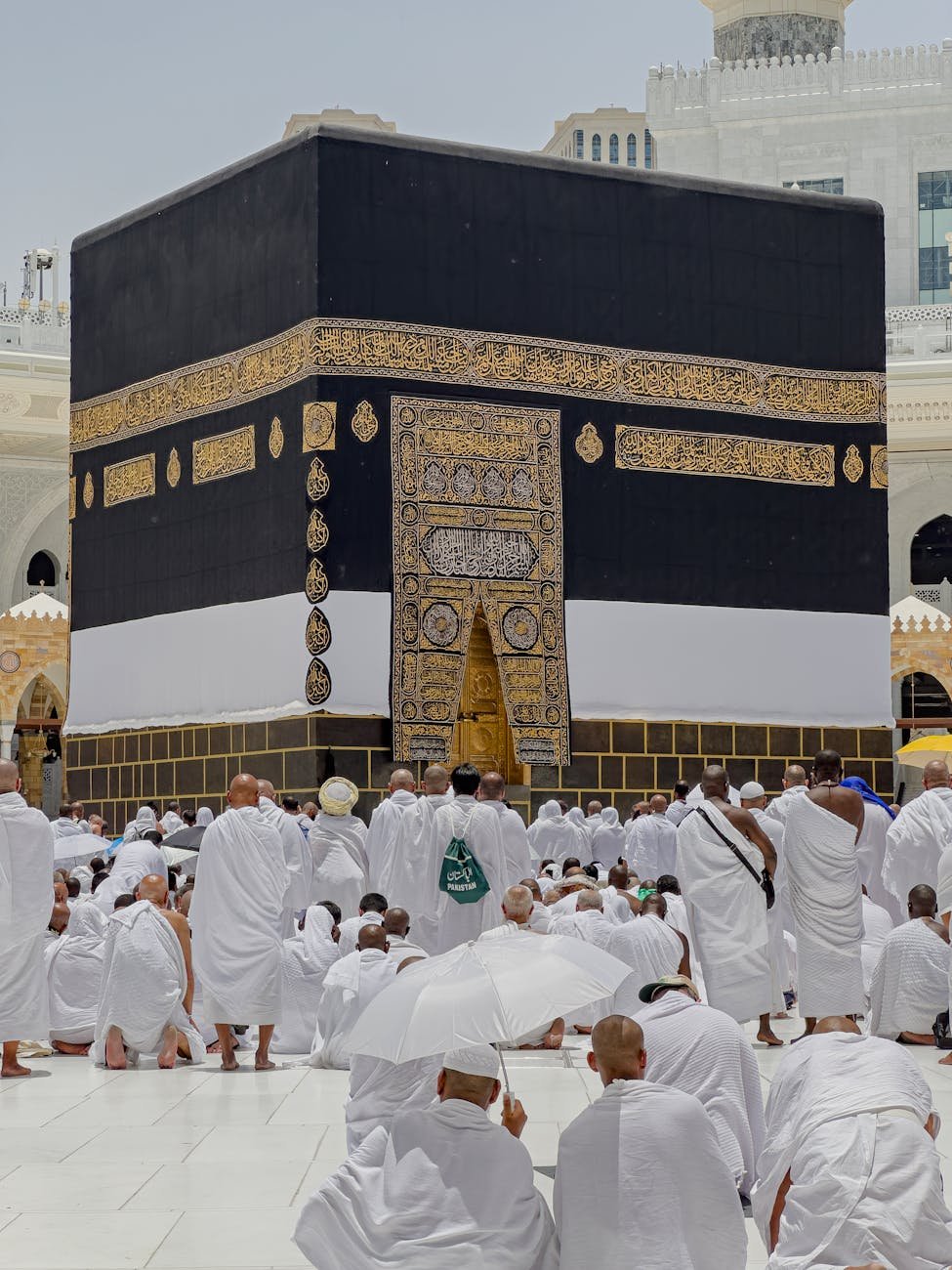
The first Fard of Umrah is entering into Ihram.
This state begins at Miqat with the Niyyah (intention).
Men wear two white sheets while women wear modest clothing.
Forbidden acts include cutting nails, hair, and hunting.
It signifies equality before Allah, leaving behind worldly pride.
Pilgrims chant “Labbaik Allahumma Labbaik” while entering Ihram.
This symbolizes submission to Allah’s call.
Ihram marks the beginning of the sacred journey.
Paragraph 4 (Hindi – फ़र्ज़ 1: एहराम)
उमराह का पहला फ़र्ज़ एहराम है।
यह मीक़ात से निय्यत करके शुरू होता है।
मर्द दो सफ़ेद चादरें पहनते हैं और औरतें सादगी वाला लिबास।
एहराम की हालत में बाल-क़तरना, नाख़ून काटना और शिकार करना मना है।
यह अल्लाह के सामने बराबरी और तवाज़ो की निशानी है।
इस दौरान “लब्बैक अल्लाहुम्मा लब्बैक” पढ़ा जाता है।
यही बंदगी और सफ़र की शुरुआत है।
एहराम उमराह का पहला और अहम रुक्न है।
Paragraph 5 (English – Fard 2: Tawaf)
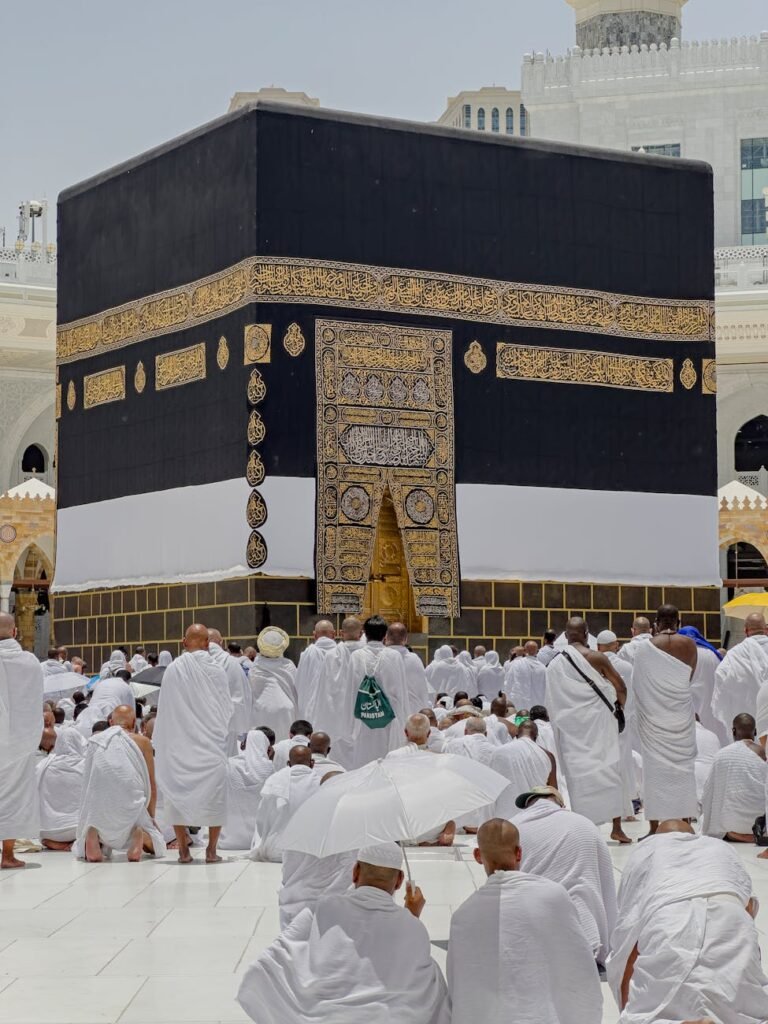
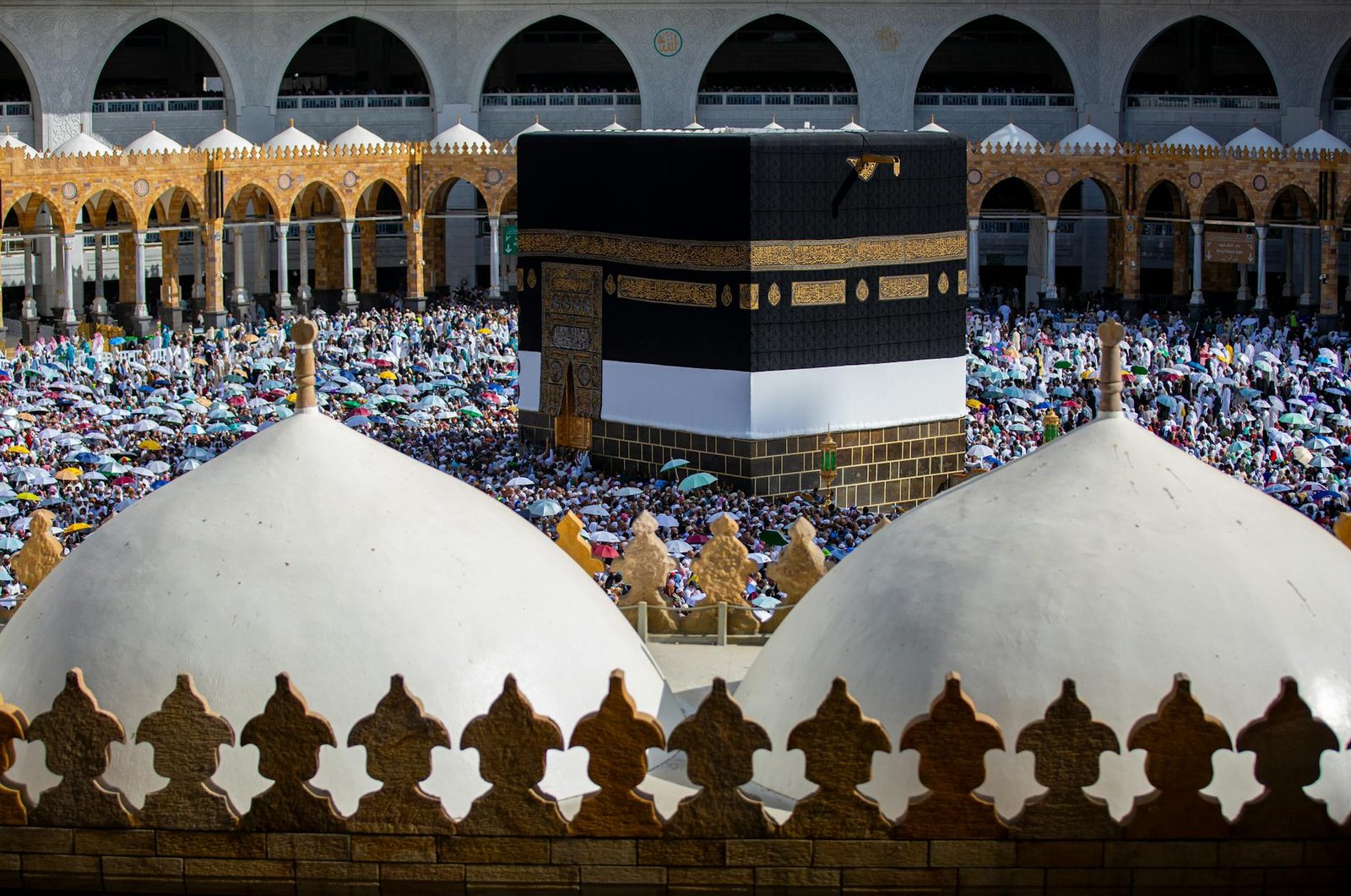
The second Fard of Umrah is Tawaf around the Kaaba.
The pilgrim must complete seven rounds beginning at Hajr-e-Aswad.
It must be done in purity with Wudu.
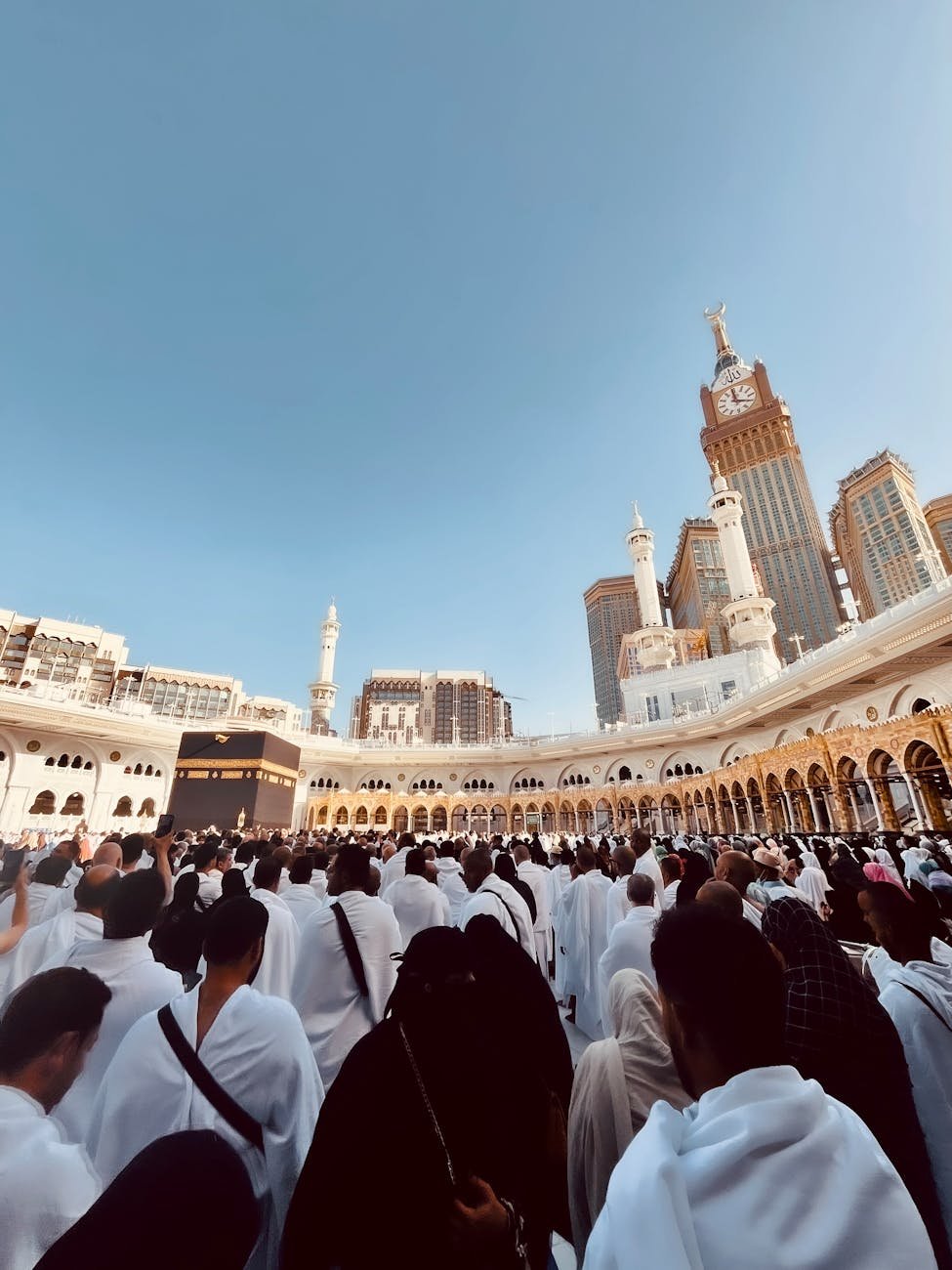
The Tawaf reflects unity as Muslims circle together.
Each round increases humility and submission to Allah.
Touching or pointing to the Black Stone is Sunnah.
Prayers and supplications are recited throughout the Tawaf.
It is one of the most spiritual experiences in Islam.
Paragraph 6 (Hindi – फ़र्ज़ 2: तवाफ़)
उमराह का दूसरा फ़र्ज़ काबा का तवाफ़ करना है।
सात चक्कर लगाना ज़रूरी है जिसकी शुरुआत हज्र-ए-असवद से होती है।
यह पाकी और वुज़ू की हालत में होना चाहिए।
तवाफ़ मुसलमानों की एकता और बराबरी का निशान है।
हर चक्कर अल्लाह की फ़रमाबरदारी की याद दिलाता है।
हज्र-ए-असवद को छूना या उसकी तरफ़ इशारा करना सुन्नत है।
इस दौरान दुआ और ज़िक्र किया जाता है।
तवाफ़ उमराह की रूहानी हक़ीक़त को उजागर करता है।
Paragraph 7 (English – Fard 3: Sa’i)
The third Fard of Umrah is Sa’i between Safa and Marwah.
Pilgrims walk seven times between these two hills.
It commemorates Hajar (AS) searching for water for her son Ismail (AS).
This act reflects trust and patience in Allah’s mercy.
Men run lightly between the green markers.
Women walk calmly with dignity and devotion.
The Sa’i is a living remembrance of sacrifice.
It teaches patience, faith, and reliance on Allah.
Paragraph 8 (Hindi – फ़र्ज़ 3: सई)
उमराह का तीसरा फ़र्ज़ सई है।
सफ़ा और मरवा के बीच सात बार आना-जाना करना होता है।
यह हज़रत हाजरा (अ.स) की क़ुर्बानी और सब्र की याद है।
उन्होंने बेटे इस्माइल (अ.स) के लिए पानी ढूँढा था।
यह अमल अल्लाह की रहमत पर भरोसा करना सिखाता है।
मर्द हरे निशानों के बीच हल्की दौड़ लगाते हैं।
औरतें आराम और इबादत के साथ चलती हैं।
सई सब्र और तवक्कुल का सबक़ देती है।
Paragraph 9 (English – Fard 4: Halq/Taqsir)
The final Fard of Umrah is Halq or Taqsir.
Men either shave their heads (Halq) or shorten their hair (Taqsir).
Women cut a small portion of hair modestly.
This act marks the completion of Umrah rituals.
It represents renewal, humility, and obedience to Allah.
Without Halq or Taqsir, Umrah is incomplete.
The pilgrim is now released from Ihram restrictions.
It symbolizes spiritual cleansing and rebirth.
Paragraph 10 (Hindi – फ़र्ज़ 4: हल्क/तक़सीर)
उमराह का आख़िरी फ़र्ज़ हल्क या तक़सीर है।
मर्द सर के बाल मुँडाते या छोटे करते हैं।
औरतें अपने बाल का थोड़ा सा हिस्सा काटती हैं।
यह उमराह की मुकम्मल अदायगी का एलान है।
यह इंसान की नई शुरुआत और तवाज़ो की निशानी है।
बिना हल्क या तक़सीर उमराह पूरा नहीं होता।
इस अमल से एहराम की सारी पाबंदियाँ ख़त्म हो जाती हैं।
यह रूहानी पाकीज़गी और सुकून का पैग़ाम देता है।
Paragraph 11 (English – Sunnah Step 1: Ihram preparation)
Before entering Ihram, it is Sunnah to take a bath (Ghusl).
Perfume may be applied to the body, not clothes.
Clipping nails and trimming hair is recommended before Ihram.
Two Rak’ahs of Salah are prayed with intention.
This Sunnah prepares the pilgrim spiritually for the journey.
Ihram should be worn from the Miqat boundary.
Niyyah and Talbiyah begin the sacred state.
This ensures a clean start for Umrah.
Paragraph 12 (Hindi – सुन्नत 1: एहराम की तैयारी)
एहराम से पहले ग़ुस्ल करना सुन्नत है।
शरीर पर इत्र लगाया जा सकता है लेकिन कपड़ों पर नहीं।
नाख़ून काटना और बाल छोटे करना भी सुन्नत है।
नियत के साथ दो रकअत नमाज़ पढ़ना चाहिए।
यह इंसान को रूहानी तौर पर तैयार करता है।
एहराम मीक़ात से पहनना ज़रूरी है।
नियत और तलबिया पढ़कर सफ़र शुरू होता है।
यही उमराह की पाक शुरुआत है।
Paragraph 13 (English – Sunnah Step 2: Tawaf etiquettes)
During Tawaf, it is Sunnah to start with Istilam of Hajr-e-Aswad.
Men perform Ramal (walking briskly) in the first three rounds.
Shoulders should be uncovered in Tawaf by men.
Supplications are made sincerely with humility.
Reciting Dua between Rukn Yamani and Hajr-e-Aswad is Sunnah.
Prayer after Tawaf at Maqam Ibrahim is recommended.
Drinking Zamzam water completes the Sunnah of Tawaf.
This increases blessings and reward for the pilgrim.
Paragraph 14 (Hindi – सुन्नत 2: तवाफ़ की सुन्नतें)
तवाफ़ की शुरुआत हज्र-ए-असवद के इस्तिलाम से करना सुन्नत है।
पहले तीन चक्करों में मर्द तेज़ क़दम चलते हैं।
मर्द तवाफ़ के दौरान दाहिना कंधा खुला रखते हैं।
हर चक्कर में दुआ और ज़िक्र करना चाहिए।
रुक्न-ए-यमानी और हज्र-ए-असवद के बीच दुआ पढ़ना सुन्नत है।
तवाफ़ के बाद मक़ामे इब्राहीम पर नमाज़ पढ़ना अफ़ज़ल है।
ज़मज़म का पानी पीना भी सुन्नत है।
इससे उमराह का सवाब और बढ़ जाता है।
Paragraph 15 (English – Sunnah Step 3: Sa’i etiquettes)
It is Sunnah to recite “Inna Safa wal Marwah” at the start of Sa’i.
Pilgrims should face the Kaaba and supplicate.
Men run lightly between the green lights during Sa’i.
Women walk calmly with dignity.
Supplications can be made freely during each round.
Sa’i should be performed with sincerity and patience.
The pilgrim remembers the sacrifice of Hajar (AS).
This Sunnah adds devotion and meaning to the ritual.
Paragraph 16 (Hindi – सुन्नत 3: सई की सुन्नतें)
सई की शुरुआत “इन्न-सफ़ा वल-मरवा” आयत पढ़कर करनी चाहिए।
सफ़ा से काबा की तरफ़ रुख करके दुआ करना सुन्नत है।
मर्द हरे निशानों के बीच हल्की दौड़ लगाते हैं।
औरतें आराम और सादगी से चलती हैं।
हर चक्कर में अल्लाह से दुआ करना सुन्नत है।
सई सब्र और तवक्कुल के साथ अदा करनी चाहिए।
यह हज़रत हाजरा (अ.स) की क़ुर्बानी की याद दिलाती है।
इससे उमराह और रूहानी बन जाता है।
Paragraph 17 (English – Sunnah Step 4: Halq/Taqsir manners)
It is Sunnah to shave the head fully for men.
The Prophet ﷺ made Dua for those who shave.
Shortening hair is also acceptable but less rewarding.
Women should cut a small portion of their hair.
This symbolizes humility and submission to Allah.
The act should be done after completing Sa’i.
It marks the completion of Umrah with Sunnah.
The pilgrim is now spiritually renewed.
Paragraph 18 (Hindi – सुन्नत 4: हल्क/तक़सीर की सुन्नतें)
मर्दों के लिए पूरा सर मुँडवाना सुन्नत है।
पैग़म्बर ﷺ ने उनके लिए दुआ की जो सर मुँडवाते हैं।
बाल छोटे करना भी जायज़ है लेकिन कम सवाब है।
औरतें थोड़े से बाल काटती हैं।
यह अल्लाह के सामने तवाज़ो की निशानी है।
यह अमल सई के बाद अदा किया जाता है।
यही उमराह की मुकम्मल अदायगी है।
इससे बंदा रूहानी तौर पर नया हो जाता है।
Paragraph 19 (English – Spiritual Benefits)
Umrah erases sins and renews the heart.
It increases closeness to Allah and strengthens faith.
It teaches patience, humility, and gratitude.
The pilgrim experiences unity with the Muslim Ummah.
It reminds one of the sacrifices of prophets and companions.
Umrah creates a deep sense of brotherhood.
It prepares believers for the Hereafter.
Umrah is a path of mercy and forgiveness.
Paragraph 20 (Hindi – रूहानी फ़ायदे)
उमराह गुनाहों को मिटा देता है और दिल को ताज़ा करता है।
यह अल्लाह के क़रीब करता है और ईमान को मज़बूत करता है।
यह सब्र, तवाज़ो और शुक्र का सबक़ सिखाता है।
उमराह मुसलमानों में भाईचारा और एकता पैदा करता है।
यह पैग़म्बरों और सहाबा की क़ुर्बानी की याद दिलाता है।
उमराह इंसान को आख़िरत की तैयारी कराता है।
यह अल्लाह की रहमत और मग़फ़िरत पाने का ज़रिया है।
उमराह हर मोमिन की रूहानी ताज़गी का सफ़र है।