
- Introduction: A Sacred Month Begins
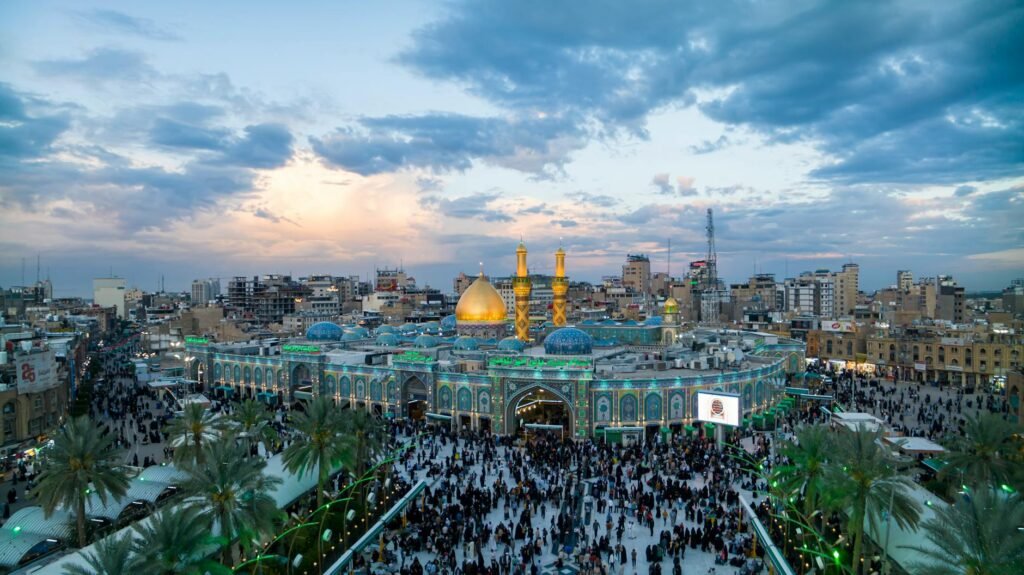
Muharram, the first month of the Islamic lunar calendar, is not just another date. It is a time of reflection, spiritual renewal, and heightened awareness of Allah’s mercy. Every Muslim should understand why this month is revered, what lessons it offers, and how to maximize its blessings. Muharram teaches patience, devotion, and gratitude — values that remain relevant across centuries. Observing it with sincerity transforms everyday life and strengthens the believer’s connection with Allah.
- The Meaning of Muharram
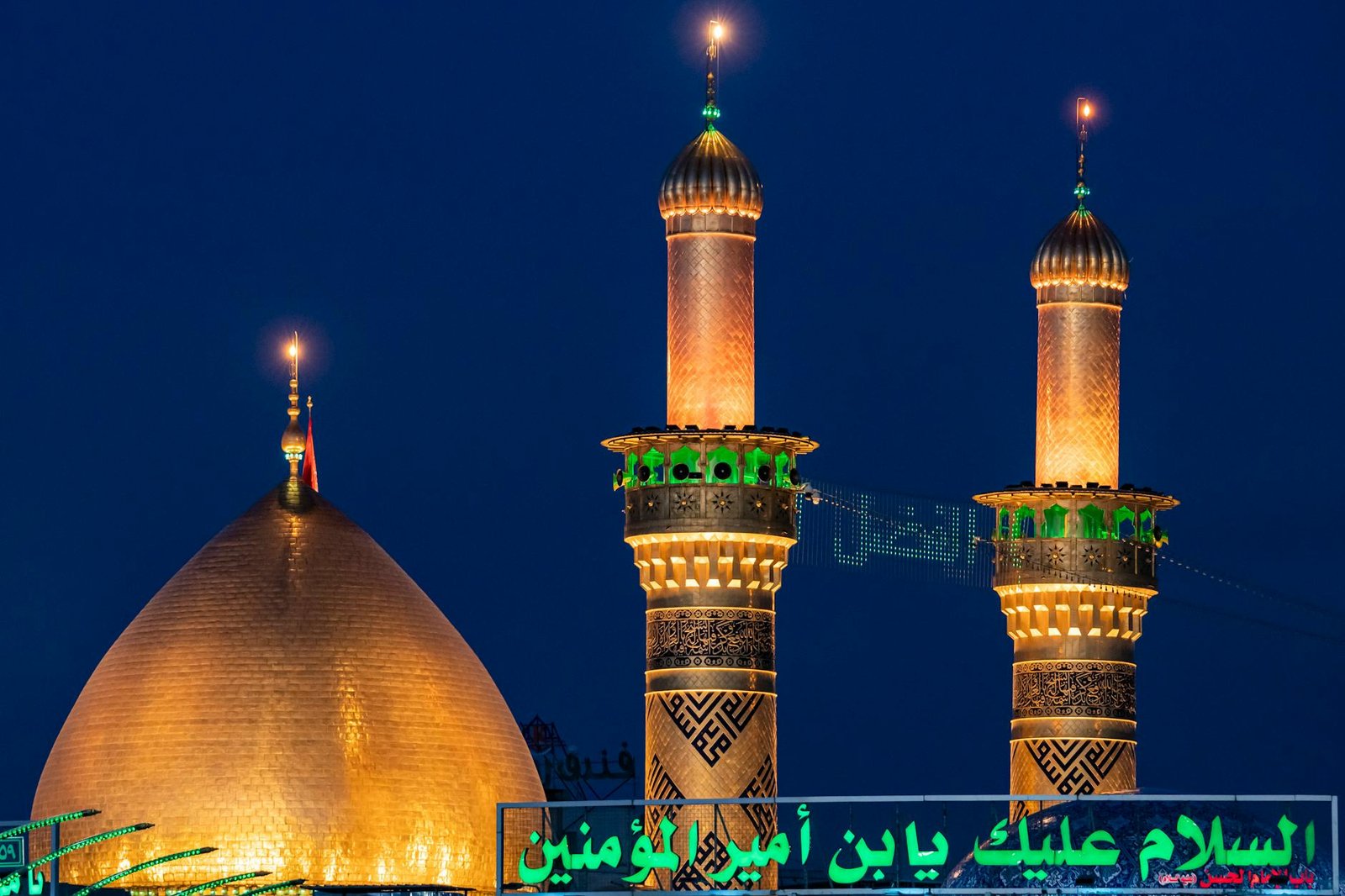
The term “Muharram” literally means “forbidden,” signifying that it is a sacred month where fighting and injustice are prohibited. Allah has designated this month as a time for peace, reflection, and mercy. The significance is deeply rooted in the Quran and Hadith, making it an essential part of Islamic understanding. Every Muslim is encouraged to respect this month and use it as a vehicle for personal and spiritual growth.
- The First Month of the Islamic Year
Muharram marks the start of the Islamic year, making it a time for new beginnings. While the Gregorian New Year emphasizes parties and resolutions, Muharram encourages introspection, repentance, and spiritual goal setting. By observing its rituals, Muslims align themselves with Allah’s guidance, preparing their hearts for a year of worship, gratitude, and ethical living.
- The Day of Ashura
The 10th day of Muharram, known as Ashura, is among the most significant days of the month. Allah saved Prophet Musa (AS) and his people from Pharaoh on this day, establishing a model of gratitude through fasting. Prophet Muhammad ﷺ observed this fast and encouraged others to follow it. Ashura serves as a reminder of Allah’s protection, mercy, and justice.
- Lessons from Karbala
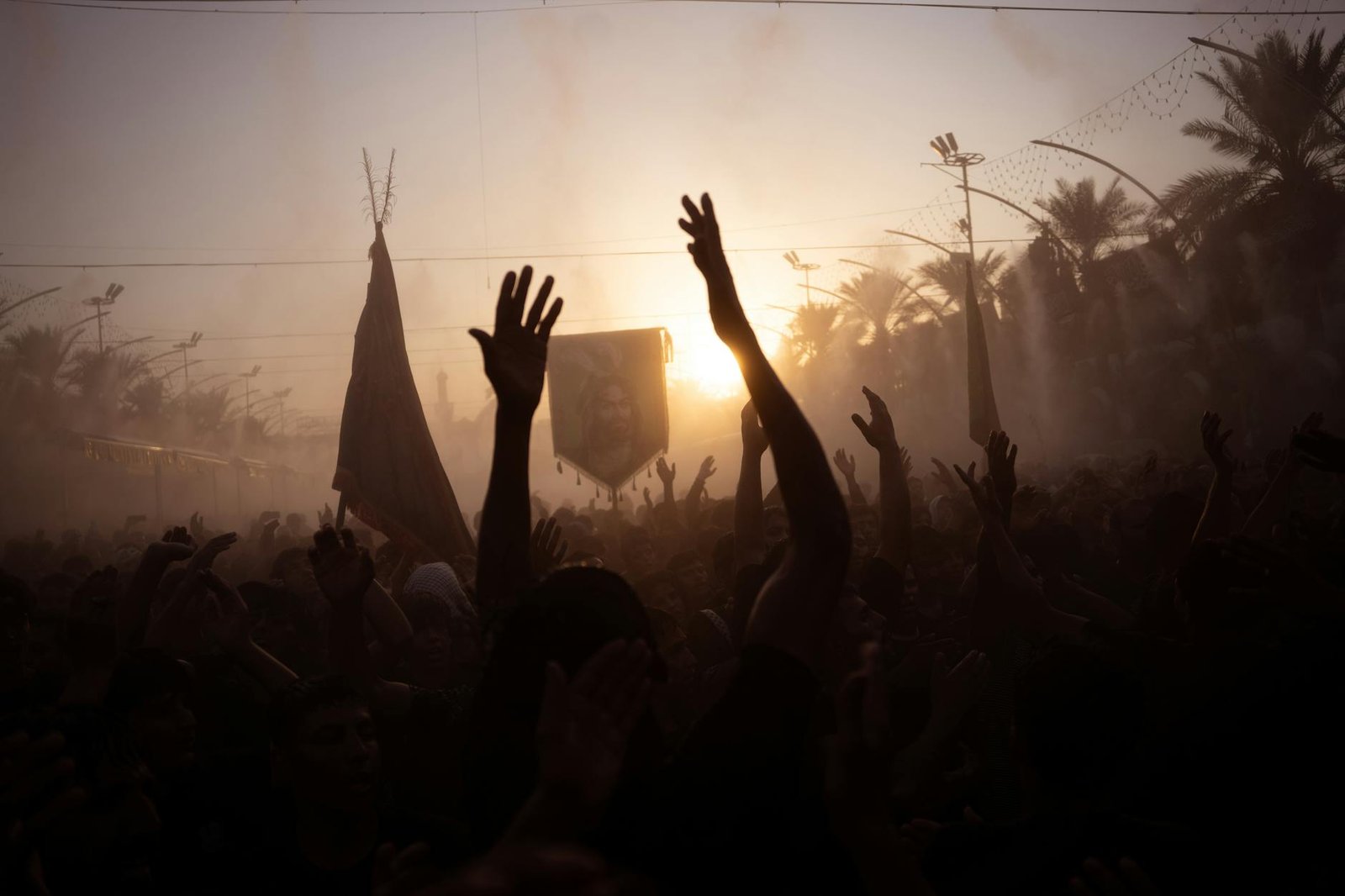
Muharram is also associated with the tragedy of Karbala, where Imam Hussain (RA) sacrificed his life for truth and justice. The story symbolizes courage, patience, and unwavering faith in Allah. Reflecting on Karbala teaches Muslims the importance of standing for righteousness, even against overwhelming odds, and inspires ethical behavior in everyday life.
- Fasting in Muharram
Fasting is highly recommended in Muharram, especially on the 9th and 10th days. The Prophet ﷺ said: “The best fasting after Ramadan is in the month of Allah, Muharram.” Fasting during this month brings forgiveness, spiritual purification, and a closer connection to Allah. It is a Sunnah that nurtures discipline and gratitude while offering immense reward.
- The Importance of Intention (Niyyah)
Every act of worship in Islam begins with intention. Before fasting, believers must make a sincere niyyah for Allah’s sake. This intention transforms ordinary fasting into an act of devotion. Muharram reminds Muslims that actions without faith and sincerity lack value; the heart’s intention determines the spiritual reward.
- Charity and Generosity
Charity in Muharram multiplies blessings. Helping orphans, donating to mosques, or feeding the poor reflects the month’s values of compassion and empathy. Prophet Muhammad ﷺ emphasized generosity during sacred months, making acts of charity especially powerful in Muharram. Giving not only benefits recipients but purifies the giver’s heart and increases barakah.
- The Power of Dua
Making dua during Muharram holds immense reward. Supplications for forgiveness, guidance, and protection are particularly effective. The Prophet ﷺ encouraged believers to make heartfelt prayers, reflecting sincerity and reliance on Allah. Regular dua strengthens faith, calms the heart, and aligns the believer with divine wisdom.
- Reflection and Self-Improvement
Muharram encourages reflection on one’s actions and intentions. Journaling, assessing past deeds, and planning for spiritual growth enhance the month’s significance. Self-improvement rooted in faith ensures that lessons learned during Muharram extend throughout the year.
- Observing the Sunnah
Muharram is an ideal time to follow Sunnah practices: reciting Quran, offering extra prayers (nafl), and engaging in dhikr. These acts, performed with devotion, increase spiritual reward and strengthen connection with Allah. Consistency in Sunnah practices during Muharram sets a foundation for a more disciplined and faithful life.
- Family Participation in Muharram
Families play a vital role in observing Muharram. Teaching children the significance of Ashura, Karbala, and fasting fosters early spiritual awareness. Sharing stories and performing acts of worship together strengthens family bonds and instills Islamic values in the next generation.
- Community Involvement
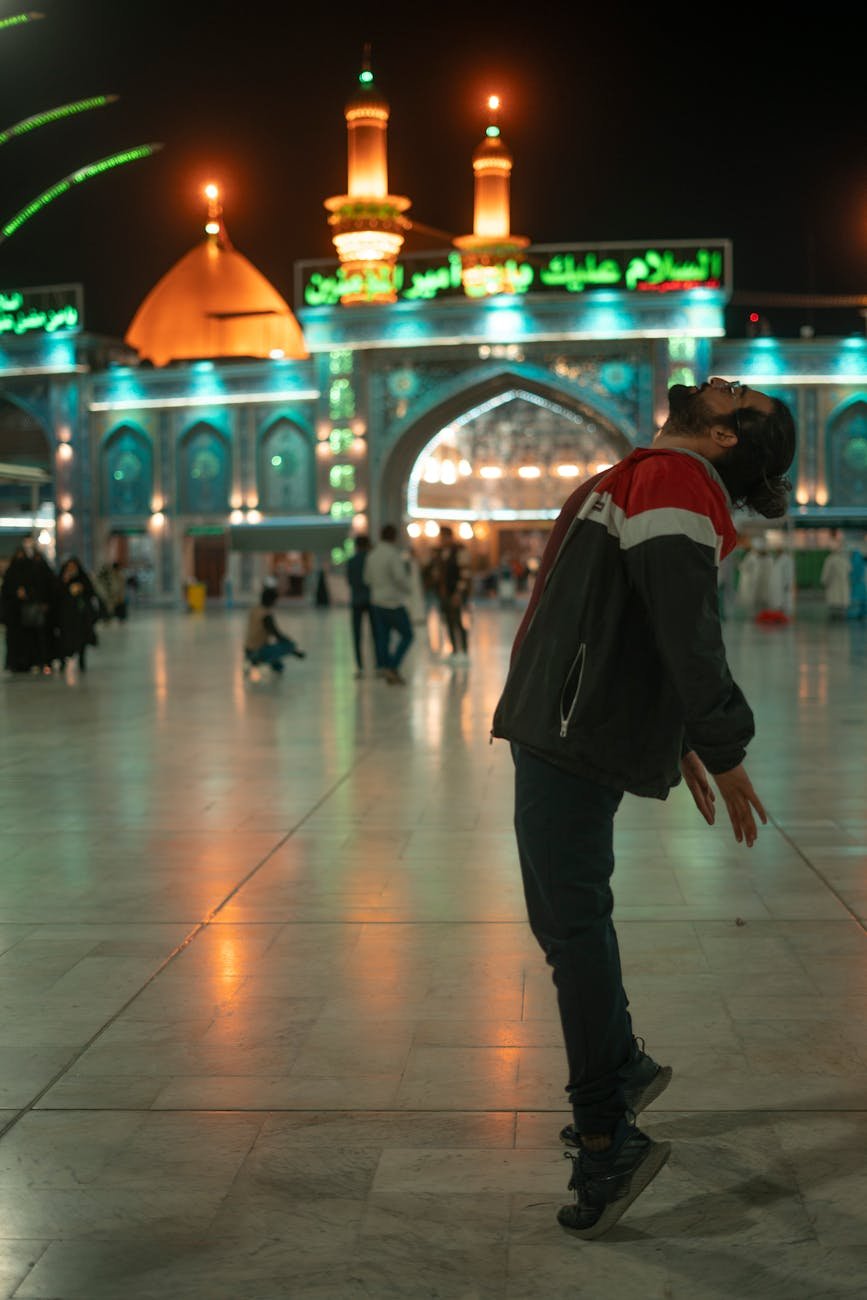
Muharram is also about collective remembrance. Attending mosque events, joining online Islamic lectures, and participating in charity initiatives enhances communal bonds. The unity of Muslims observing Muharram worldwide reflects the strength and solidarity of the Ummah.
- Lessons of Patience and Perseverance
The sacrifices made by Prophet Musa (AS) and Imam Hussain (RA) exemplify patience. Believers learn to endure hardships, face challenges with faith, and trust in Allah’s plan. Muharram teaches that patience is not passive but an active form of resilience and submission to Allah.
- Avoiding Excessive Rituals
Islam emphasizes moderation. While Muharram is sacred, extreme or innovative rituals not taught by the Prophet ﷺ should be avoided. True observance lies in fasting, prayer, charity, and remembrance, not superstitions or excessive mourning.
- Spiritual Rewards of Muharram
The month brings unparalleled spiritual benefits. Acts of worship, fasting, dua, and charity are multiplied in reward. Reflecting on Karbala and the mercy of Allah elevates the soul, bringing peace, contentment, and a sense of purpose to every believer’s life.
- Applying Muharram Lessons Daily
Lessons from Muharram — courage, patience, generosity — are not limited to the month. Implementing these teachings in everyday life strengthens character, builds empathy, and aligns actions with faith. This makes the spirituality of Muharram practical and sustainable.
- Using Digital Platforms Wisely
Sharing Islamic content about Muharram on social media spreads awareness and knowledge. Posting authentic articles, videos, or quotes encourages others to fast, pray, and engage in acts of kindness. Digital platforms amplify the impact of sincere devotion.
- Preparing for the New Islamic Year
Muharram marks a new beginning. Muslims should set goals for worship, character, and service to others. Planning and reflection during Muharram ensure that the year starts with purpose, faith, and dedication to Allah.
- Conclusion: Muharram’s Enduring Significance
Muharram is a month of reflection, devotion, and transformation. Fasting, charity, dua, and remembrance of Karbala connect believers with Allah and inspire ethical living. Observing this sacred month strengthens faith and prepares Muslims for a year of spiritual growth.


