
(1)
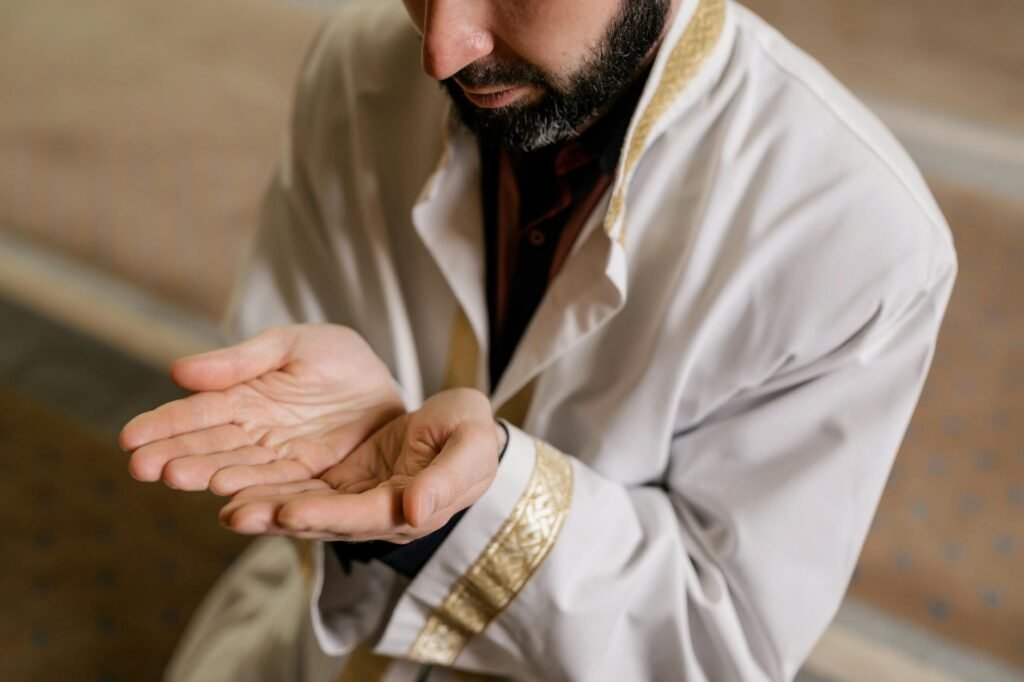
Dua, or supplication, is the purest form of communication between a believer and Allah. It transcends languages, cultures, and distances, uniting hearts through faith. No matter where a Muslim is—in a crowded city or a quiet corner of their home—the moment they raise their hands, they are directly speaking to their Creator. This connection is what keeps the soul alive and the heart strong, especially in moments of loneliness or uncertainty.
(2)
The beauty of Dua lies in its simplicity. You don’t need perfect words or rituals; you just need sincerity. When tears fall and words stumble, Allah still understands. He knows what your heart desires even before you say it. In that sacred moment of Dua, the believer feels seen, heard, and embraced by divine mercy.

(3)
In the Qur’an, Allah promises, “Call upon Me; I will respond to you” (40:60). This verse is not a metaphor—it is a divine guarantee. It reminds Muslims that every sincere prayer, whether whispered or cried out loud, reaches the heavens. Even when the answer is delayed, it comes with wisdom and timing that only Allah understands.

(4)
Sometimes, Allah answers our Duas immediately. Sometimes, He delays them because He knows we are not ready. And sometimes, He replaces our wish with something better than we imagined. This is the mystery of mercy—that even unanswered Duas are answered in ways that protect and strengthen us.
(5)
Dua also teaches humility. It reminds believers that they are not in control of everything, and that ultimate power lies only with Allah. This surrender does not weaken the soul—it frees it. When a person relies completely on Allah, they find peace beyond logic and hope beyond pain.

(6)
The Prophet Muhammad ﷺ said, “Dua is the essence of worship.” This means that every act of faith, from prayer to charity, begins with the heart’s call to Allah. When Muslims make Dua, they are not just asking for things—they are affirming their faith, renewing their trust, and showing gratitude.
(7)
In modern life, where stress, anxiety, and loneliness are common, Dua becomes an emotional refuge. When nothing else works—therapy, money, or people—Dua still works. It transforms pain into patience and confusion into clarity. It is the believer’s secret strength in a chaotic world.
(8)
Even science now recognizes the power of prayer and mindfulness in reducing stress and improving mental health. But what Islam teaches goes beyond psychology—it connects the heart to divine purpose. Dua gives meaning to suffering and turns moments of despair into opportunities for spiritual growth.
(9)
When a Muslim prays for others, angels pray for them in return. This beautiful exchange shows how Dua strengthens not only individuals but entire communities. It builds compassion, empathy, and unity—qualities that the world desperately needs today.
(10)
Sometimes, the most powerful Duas are made in silence. A tear that falls during the night prayer, a whisper before sleep, a sigh during hardship—all are heard. Allah listens even to the pain you cannot express. The heavens move with every sincere heartbeat.
(11)
Dua is also a form of gratitude. When things go right, thanking Allah through prayer keeps arrogance away. It reminds us that every blessing—wealth, health, love, or success—comes only from Him. Gratitude through Dua multiplies blessings and fills life with light.
(12)
When facing hardship, believers often think, “Why me?” But Dua shifts that mindset to “Help me.” This small change turns pain into power. Instead of breaking under pressure, the believer grows through it, guided by faith that Allah never burdens a soul beyond its capacity.
(13)
The early Muslims, despite facing poverty, war, and exile, never abandoned Dua. They saw it as their weapon, their comfort, and their constant companion. Their strength came not from armies or wealth but from hearts connected to Allah through prayer.
(14)
Every Dua creates ripples in the unseen world. You may think your words disappear into the air, but in reality, they rise straight to the throne of the Almighty. Angels record them, and when the time is right, Allah responds in ways that fill the soul with awe.
(15)
For Muslims living in the West, especially in places like the USA or France, Dua becomes a bridge between cultures and faiths. It keeps the believer spiritually grounded while navigating a fast-paced, materialistic society. It’s a daily reminder that faith transcends borders.
(16)
In moments of success, Dua keeps arrogance in check. In moments of failure, it revives hope. It is a constant balance that teaches emotional maturity and spiritual intelligence. The one who makes Dua regularly becomes calm, compassionate, and wise.
(17)
When families gather for Dua, hearts unite. Parents praying for children, spouses praying for each other, friends praying for one another—all these moments strengthen love and build mercy in relationships. Dua turns homes into places of light and peace.
(18)
Even when a Dua seems unanswered, the believer continues to pray. This persistence is a form of faith. It means you trust Allah’s plan more than your own desires. Every unanswered Dua becomes an act of worship that earns eternal reward.
(19)
The Prophet ﷺ would raise his hands and make Dua even in moments of ease. He taught Muslims that prayer is not only for when things go wrong but also for when life is good. Gratitude in ease and patience in difficulty—that is the beauty of Islam.
(20)
In conclusion, Dua is not just a request—it is a relationship. It’s the heart’s dialogue with the Divine. Every whisper, every tear, every moment of surrender brings you closer to Allah. In Dua lies the secret of peace, success, and eternal love.


