
Paragraph 1
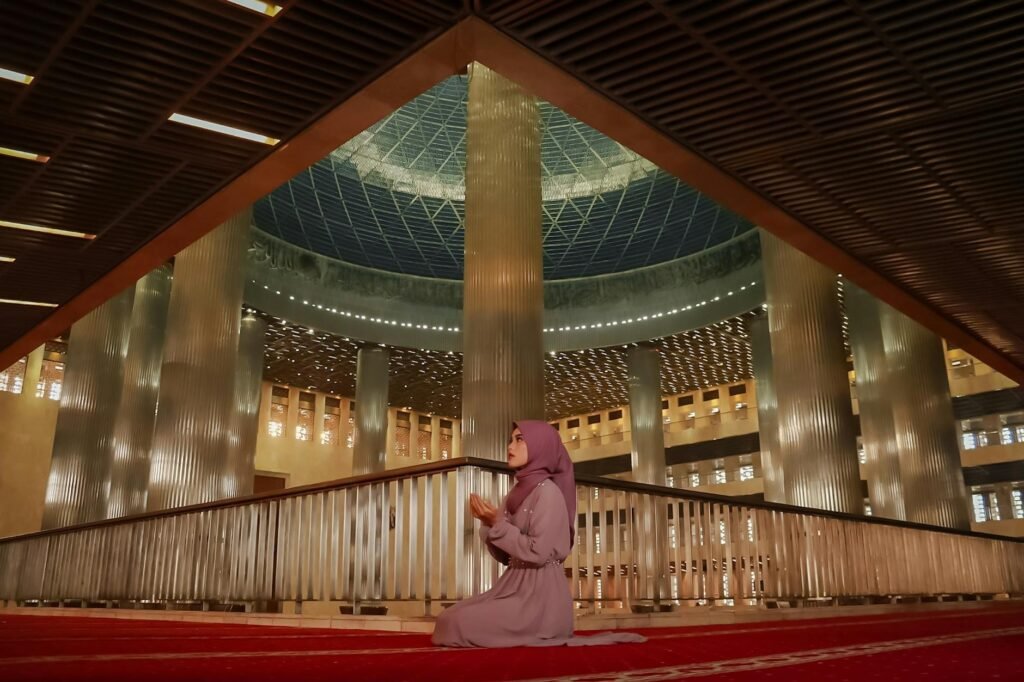
Patience holds a central place in Islam, guiding every believer through the ups and downs of life with calmness and trust in Allah. The Quran repeatedly emphasizes the value of remaining steadfast, especially when facing challenges or tests. In today’s fast-paced world, patience has become more important than ever, helping Muslims maintain emotional balance and spiritual clarity. Whether in worship, relationships, or personal struggles, patience acts as a shield against negativity. The Prophet ﷺ demonstrated unmatched patience throughout his life, giving us a perfect standard to follow. His reactions to hardships teach us that patience is more than waiting; it is remaining firm in faith with dignity. Muslims who practice patience find peace in the heart and clarity in decision-making. This virtue strengthens character and builds resilience. Ultimately, patience connects a believer directly to the mercy and rewards of Allah.
Paragraph 2
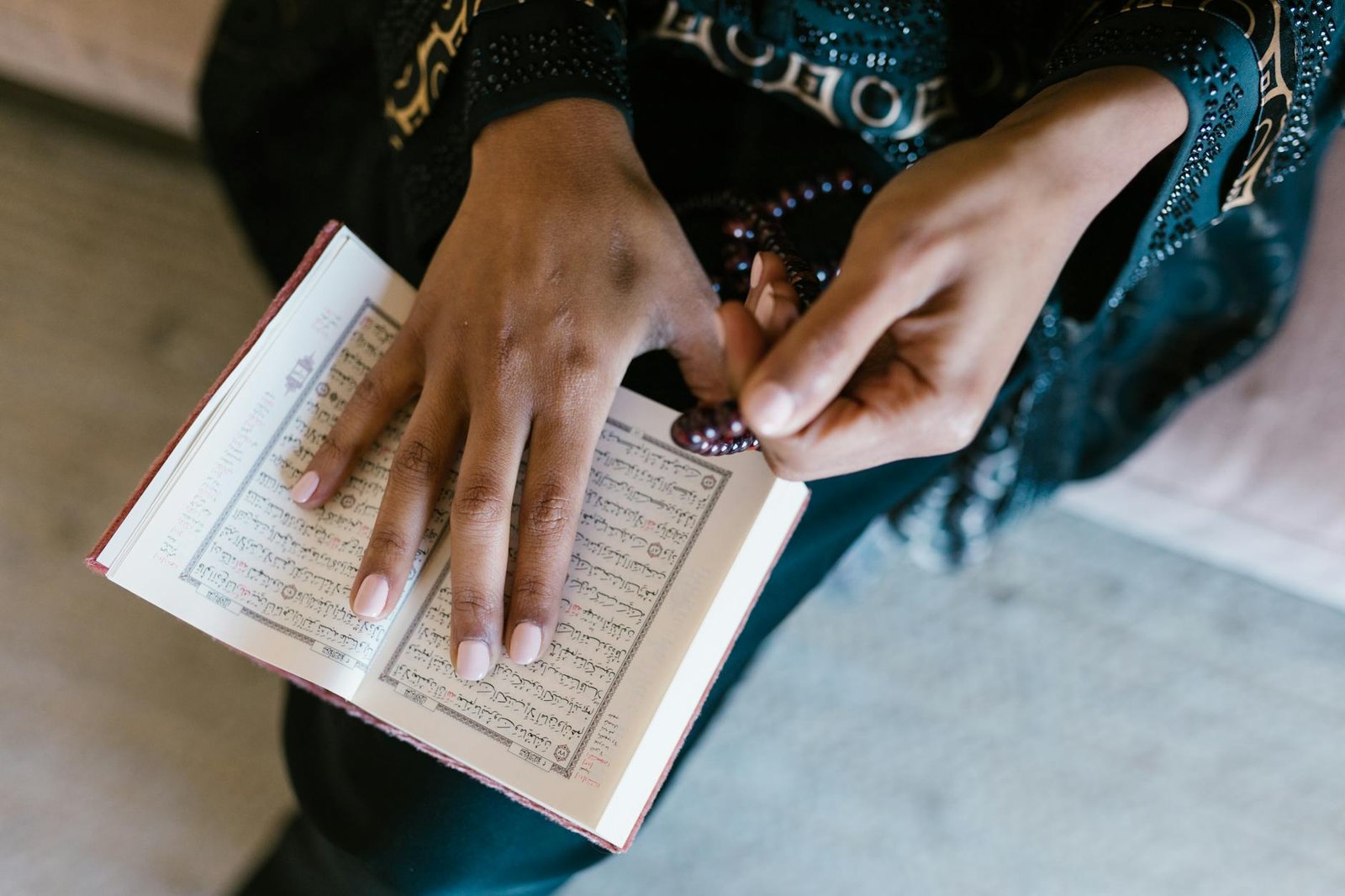
One of the most powerful Quranic reminders about patience is found in Surah Al-Baqarah, where Allah promises support, guidance, and blessings to the steadfast. These verses remind Muslims that every difficulty is accompanied by ease, even if the solution is not immediately visible. Patience allows a believer to trust the unseen, confident that Allah never abandons those who put their faith in Him. This mindset shifts a person from panic to hope, turning trials into spiritual opportunities. The more one relies on Allah, the stronger the heart becomes during hardships. The Quran teaches that patience is a sign of true belief and maturity. By staying patient in adversity, a Muslim reflects sincerity and spiritual discipline. This Divine command helps nurture inner strength. Through patience, a believer experiences peace even in challenging circumstances.
Paragraph 3
The Prophet ﷺ faced immense challenges, including persecution, insults, and threats, yet he responded with calmness and unwavering trust in Allah. His patience was not passive silence but an active choice rooted in wisdom and compassion. Despite being harmed, mocked, and rejected, he always maintained dignity and kindness. His life shows how patience transforms anger into discipline and fear into courage. Muslims today can learn from his noble example, especially when dealing with stress or injustice. By practicing prophetic patience, one develops emotional control and spiritual confidence. His reactions to hardship are living lessons for every generation. Through patience, he earned the love of companions and respect of even his enemies. His character remains a timeless guide for overcoming life’s challenges with grace.
Paragraph 4
Patience is deeply connected to faith because it reflects complete trust in Allah’s plan even when the path seems unclear. Believers who practice patience recognize that life is a temporary test and every situation has wisdom behind it. This belief prevents frustration and encourages gratitude, especially during difficult times. When a Muslim surrenders to Allah’s decree with patience, he experiences spiritual peace. This peace helps him make better decisions without emotional impulsiveness. Patience strengthens emotional health and allows a person to handle conflict calmly. With faith-driven patience, hardship becomes a stepping stone instead of a setback. This mindset shapes a believer into someone who is confident, stable, and spiritually mature. It also deepens connection with Allah.
Paragraph 5
Patience in worship is another essential part of Islamic practice, especially when maintaining consistency. Praying five times a day, fasting, and performing good deeds require discipline that comes from patience. A believer may sometimes feel lazy or distracted, but patience helps him stay committed. Worship becomes meaningful when done with steadfastness and sincerity. The Prophet ﷺ encouraged Muslims to perform acts of worship regularly, even if small. This consistency builds spiritual strength over time. Patience in worship also protects a person from spiritual decline. By practicing patience, a Muslim maintains a strong relationship with Allah. The rewards of consistent worship bring blessings in both this life and the next.
Paragraph 6
Patience in relationships is equally important because it helps prevent conflict and maintains harmony. Whether dealing with family, friends, or strangers, patience allows calm communication and understanding. People often become frustrated due to differences in opinion or behavior, but patience keeps emotions under control. The Prophet ﷺ always treated others with kindness, even when he disagreed with them. His example teaches that patience can heal conflicts and strengthen bonds. A patient person becomes more compassionate and forgiving. This quality improves relationships and creates peaceful environments. With patience, misunderstandings turn into opportunities for dialogue and growth. It is a key ingredient for healthy social interactions.
Paragraph 7
Patience also plays a major role in financial matters. Many people today feel anxious about money, career growth, and stability. Islam teaches believers to earn honestly, avoid haste, and trust that Allah provides sustenance. When someone faces financial struggles, patience helps them avoid stress and maintain a positive outlook. The Prophet ﷺ encouraged Muslims to avoid greed and trust in Allah’s blessings. Patience prevents rash decisions and keeps a person grounded. It reminds Muslims that wealth is not gained overnight. By staying patient and hardworking, a believer can achieve success with blessings. Financial patience helps avoid unnecessary debt and strengthens long-term stability.
Paragraph 8
Patience in facing pain or sickness is another important part of Islamic teachings. Illness can weaken the body, but patience strengthens the soul. The Prophet ﷺ taught that sickness removes sins and brings spiritual purification. When a believer responds to illness with patience, he receives immense reward from Allah. This mindset transforms suffering into spiritual elevation. Through patience, a person learns humility and gratitude. Illness becomes a reminder to rely on Allah alone. Muslims who stay patient during sickness are promised blessings far greater than the pain they experience. This approach brings comfort and courage. Patience truly becomes a healing force for the heart.
Paragraph 9
Patience is also essential during loss and grief, especially when losing a loved one. Life is temporary, and every soul will return to its Creator. When tragedy strikes, patience helps believers remain strong and hopeful. The Prophet ﷺ showed remarkable patience during moments of personal loss. His reactions teach Muslims to accept Allah’s decree with trust and humility. Grief is natural, but patience keeps a believer centered. This virtue allows healing and prevents hopelessness. Patience strengthens faith in the promise of Jannah. It brings spiritual comfort that worldly words cannot provide. Through patience, one finds strength in faith.
Paragraph 10
Patience when provoked is one of the most challenging forms of self-control. Anger clouds judgment, damages relationships, and weakens spiritual health. Islam teaches believers to respond gently even when treated harshly. The Prophet ﷺ never reacted with anger for personal matters. His patience transformed enemies into followers. Muslims today can learn to pause before reacting, think with clarity, and choose kindness. This form of patience builds character and humility. It protects the heart from regret. It also demonstrates maturity and wisdom. By controlling anger, a believer earns Allah’s love and respect from others.
Paragraph 11
Patience in avoiding sin is also crucial. Temptations are everywhere, but resisting them strengthens the soul. The Prophet Yusuf (AS) showed extraordinary patience when offered sin. His example teaches Muslims to remain firm even when no one is watching. Patience protects a believer from harmful activities. It leads to purity and honor. The Quran promises great reward for those who avoid sin with patience. This patience builds strong discipline. It also keeps a believer’s heart clean. Through patience, a Muslim becomes more spiritually aware and morally strong.
Paragraph 12
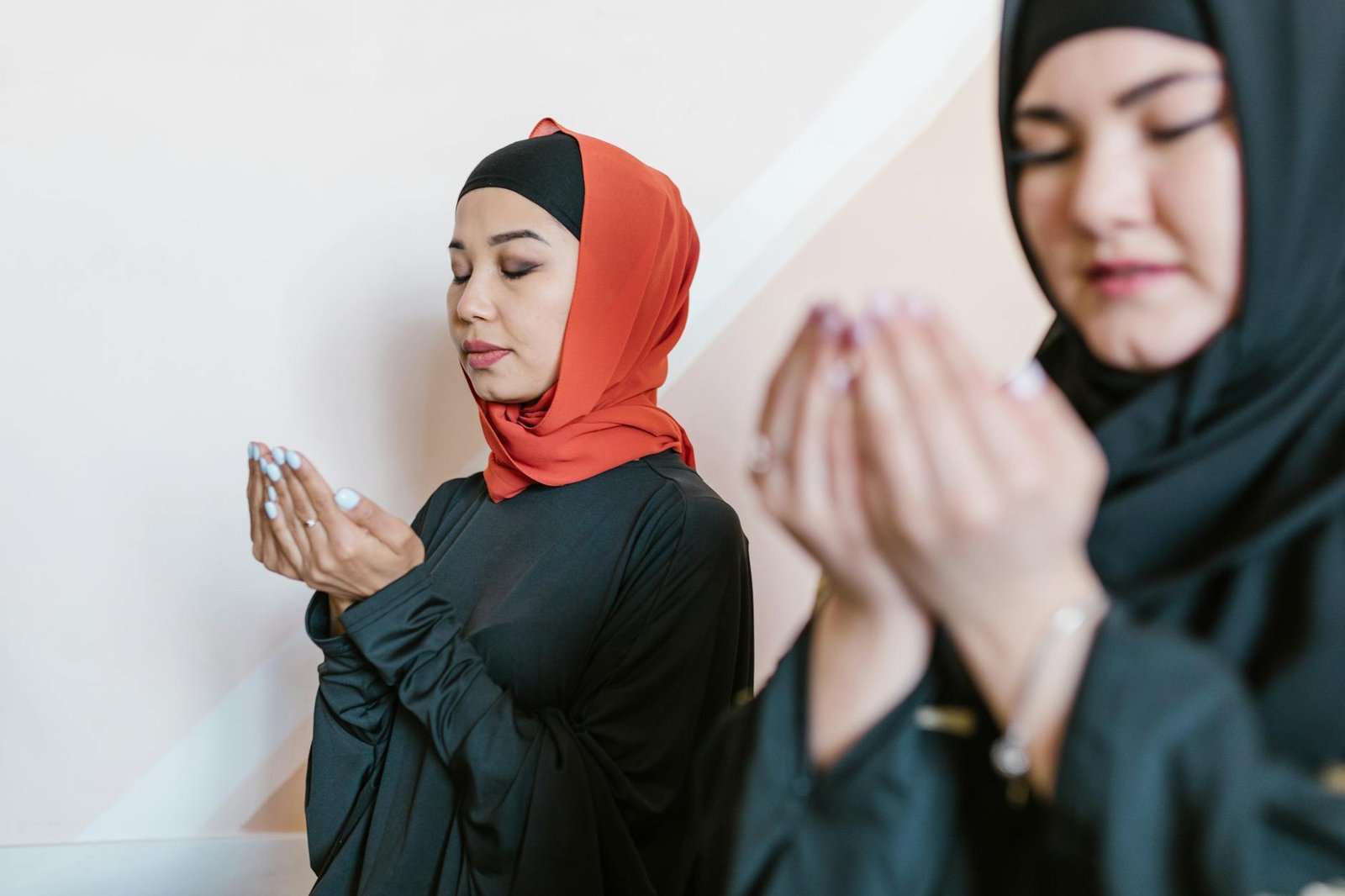
Patience while waiting for dua to be accepted is one of the most beautiful aspects of faith. Many people pray but become hopeless when answers are delayed. Islam teaches that Allah answers every dua at the perfect time. Patience helps a believer stay hopeful and consistent in prayer. Delays often contain hidden wisdom. The Prophet ﷺ advised Muslims never to give up dua. A patient heart remains connected to Allah. This connection brings peace even before the dua is answered. Patience increases faith and builds trust. It teaches believers to focus on effort, not timing.
Paragraph 13
Patience transforms stress into spiritual growth. Modern life brings pressure from work, studies, relationships, and responsibilities. Without patience, a person becomes overwhelmed. Islam gives tools to manage stress through prayer, dhikr, and patience. Practicing patience calms the mind and strengthens emotional health. It helps a believer approach problems with wisdom. The Prophet ﷺ taught that calmness is from Allah. Patience reduces anxiety and increases clarity. It creates a stable mindset for making decisions. With patience, stress becomes manageable and less damaging.
Paragraph 14
Patience teaches humility. When someone recognizes that life cannot be controlled fully, they develop humility. This humility leads to gratitude and contentment. The Prophet ﷺ displayed deep humility in every aspect of life. His patience helped him remain grounded despite his greatness. Muslims who practice patience naturally develop respect for others. They stop complaining and start appreciating blessings. Humility brings peace in relationships. Patience and humility together create a strong moral character. This combination wins hearts and earns respect.
Paragraph 15
Community patience is also emphasized in Islam. Believers are encouraged to support one another during hardships. When a community faces trials, patience strengthens unity. The Prophet ﷺ taught that Muslims are like one body. When one part suffers, the whole body feels pain. Patience prevents division and conflict. It promotes cooperation and understanding. Through patience, communities recover faster from challenges. It brings collective strength and harmony. Patience truly builds strong societies.
Paragraph 16
Patience in raising children is a major virtue in Islam. Parenting requires emotional strength, understanding, and consistency. Children make mistakes, but patient parents guide them with love. The Prophet ﷺ was incredibly patient with children, showing kindness in every interaction. His example teaches parents to correct with gentleness. Patience helps children feel safe and respected. It improves their emotional development. A patient parent becomes a role model of good character. This creates a healthy home environment.
Paragraph 17
Patience improves personal discipline. Whether forming new habits, learning skills, or breaking bad patterns, patience is necessary. Islam teaches that discipline is part of faith. The Prophet ﷺ said the strong person is the one who controls himself. Patience helps build routines that strengthen character. It encourages persistence. This quality leads to long-term success. It also builds confidence and self-control. Through patience, one achieves lasting improvement.
Paragraph 18
Patience increases spiritual reward. Allah has promised unlimited reward for those who remain patient. This shows how valuable this virtue is in Islam. When a believer faces difficulty with patience, he receives blessings beyond measure. The Prophet ﷺ said that no one is given a gift better than patience. This gift remains beneficial throughout life. It protects faith, peace, and emotional balance. Patience brings rewards in this world and the Hereafter. It is truly a treasure.
Paragraph 19
Patience builds emotional intelligence. A patient person understands himself and others better. He can analyze situations calmly. He avoids impulsive reactions. The Prophet ﷺ demonstrated incredible emotional intelligence through patience. This quality helps in communication and problem-solving. It strengthens relationships. Patience also reduces misunderstandings. With emotional wisdom, life becomes easier and more peaceful. Patience is a key to emotional maturity.
Paragraph 20
In conclusion, patience is a priceless virtue in Islam. It strengthens faith, purifies the heart, and prepares a believer for both worldly and spiritual success. The Prophet ﷺ’s life serves as a perfect roadmap for practicing patience in every situation. By applying these lessons today, Muslims can live with greater peace, confidence, and closeness to Allah. Patience brings light to the darkest moments. It elevates character and transforms challenges into blessings. A believer who practices patience walks the path of prophets and earns endless reward from Allah. Truly, patience is the foundation of spiritual excellence.