
Paragraph 1
Switzerland may sound like a luxury destination, but exploring it on a budget in 2025 is easier than ever. With smart planning, travelers can enjoy the same breathtaking Alpine views and scenic train rides without breaking the bank. The secret lies in choosing the right time, local stays, and public transport options that are affordable yet comfortable. Budget travel doesn’t mean compromising experience — it means exploring smarter.
Paragraph 2
A trip to Switzerland on an economy budget is ideal for solo travelers, couples, and families who want world-class beauty at a fair price. The country’s infrastructure supports all types of travelers with hostels, guesthouses, and homestays that offer cozy comfort. Many local families now list their mountain chalets on rental apps, making it possible to stay in dream-like locations at reasonable rates.
Paragraph 3
The best time for budget travelers to visit Switzerland is during the shoulder seasons — April to May and September to October. These months offer mild weather, fewer tourists, and cheaper accommodation. During this period, flight fares and hotel prices can drop by 30–40%. You’ll still enjoy snow-capped peaks and beautiful hiking trails without the crowd or the high costs.
Paragraph 4
Accommodation is the biggest expense for travelers, but there are plenty of budget options. In 2025, capsule hotels and digital hostels have gained popularity. They are clean, tech-friendly, and cost around $40–$70 per night. Cities like Zurich, Lucerne, and Interlaken have youth hostels with shared kitchens and free Wi-Fi — perfect for backpackers looking to save on meals.
Paragraph 5
When it comes to food, Switzerland can be expensive if you eat at restaurants daily. The best hack is to try local bakeries, supermarkets, and farmers’ markets. A hearty meal with Swiss bread, cheese, and chocolate can cost under $10–$12. Many cities also have budget-friendly “Coop” and “Migros” food outlets that serve freshly prepared meals at affordable prices.
Paragraph 6
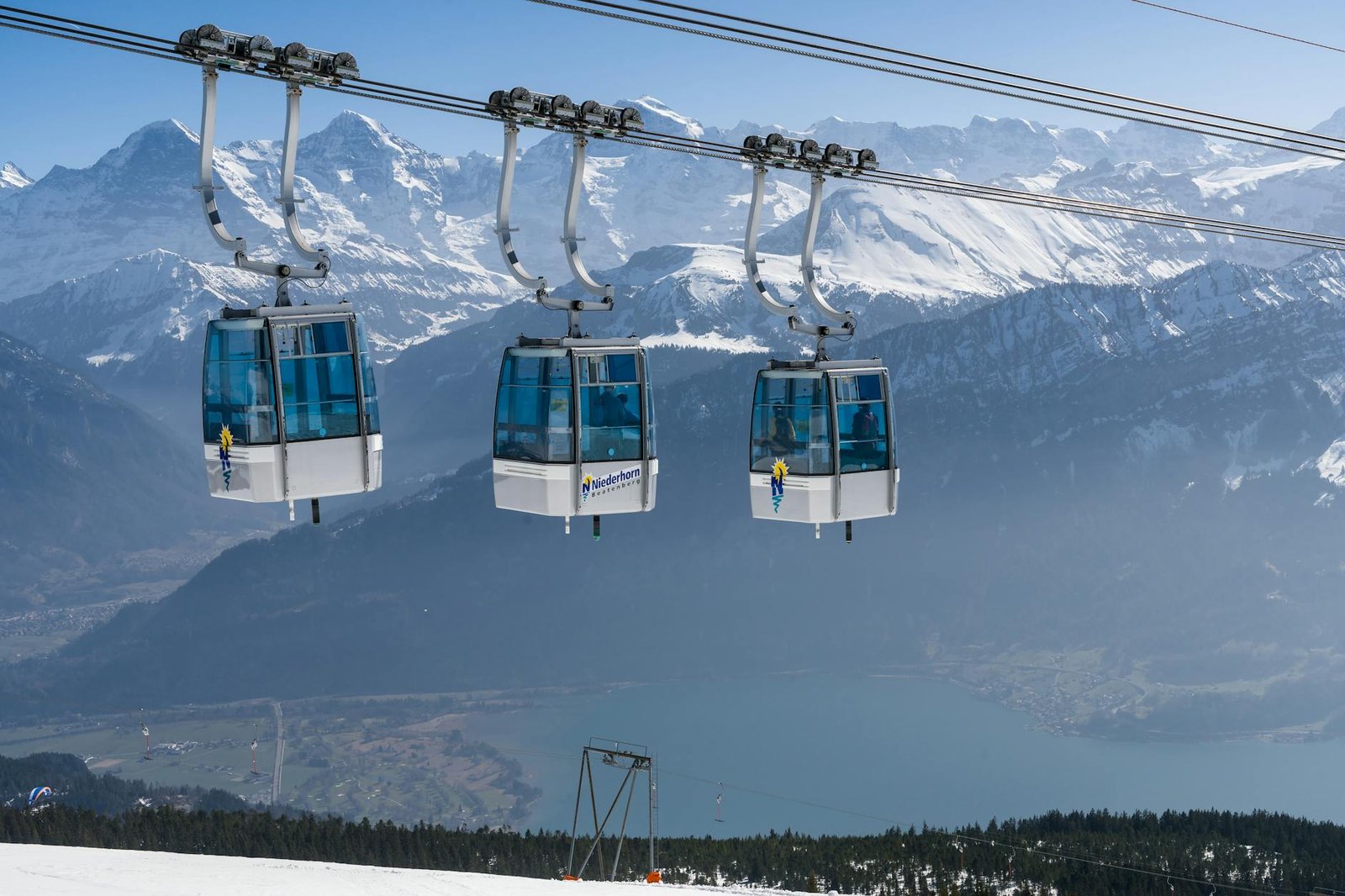
Transportation in Switzerland is world-class, and budget travelers can enjoy it too. The Swiss Travel Pass (2nd class) offers unlimited travel by train, bus, and ferry across the country. It starts around $250 for 3 days and includes mountain excursions and museum entries. If you plan smart routes, it can save hundreds of dollars in total travel costs.
Paragraph 7
For scenic train journeys, choose economy tickets on the Glacier Express or Bernina Express. The views are identical to luxury compartments — just skip the gourmet meal option. Some regions like Interlaken even offer free public transport for hotel guests. Budget travel here feels premium because of Switzerland’s clean and efficient system.
Paragraph 8
Adventure lovers can enjoy Switzerland without spending big. Hiking trails are free, safe, and well-marked. The famous Lauterbrunnen Valley offers waterfalls, wildflowers, and peaceful alpine villages. Renting a bike for $25 per day or using the Swiss “PubliBike” service gives easy access to beautiful countryside routes that rival the world’s best.
Paragraph 9
If you want to ski affordably, go for smaller resorts like Arosa, Davos, or Grindelwald instead of St. Moritz. Equipment rentals and ski passes are cheaper, and the slopes are equally stunning. Many hostels and guesthouses offer package deals that include breakfast, lift tickets, and discounts for students or early bookings.
Paragraph 10
One week of budget travel in Switzerland can cost around $1,200–$1,800 per person, including food, transport, and stay. Couples can manage under $3,000 total with smart choices. Avoid taxis and private transfers — rely on trains and buses. Cooking a few meals on your own and using refillable bottles can cut costs further.
Paragraph 11
Cities like Bern and Zurich have plenty of free attractions — historic bridges, public art, and lakeside promenades. Don’t miss free-entry days in museums like the Swiss National Museum. Picnicking near Lake Geneva or walking in Old Town Lucerne gives you unforgettable memories without spending anything extra.
Paragraph 12
Budget travelers should consider buying a half-fare card, costing around $150, valid for a month. It gives 50% off on most train, tram, and mountain tickets. Combine this with regional passes for maximum value. Apps like SBB Mobile and Trainline Europe help track cheap fares and real-time transport schedules.
Paragraph 13
For internet and phone connectivity, skip roaming. Local SIM cards from Salt, Swisscom, or Sunrise cost around $20–$30 for a week with 10GB data. Free Wi-Fi is available at most stations and cafes. Using offline maps like Maps.me or Google Offline ensures smooth travel without extra internet charges.
Paragraph 14
Souvenir shopping can be done wisely too. Instead of luxury boutiques, try local flea markets and small-town craft shops. Handmade Swiss knives, chocolates, and wooden carvings are affordable and authentic. Always check tax refund eligibility for purchases above CHF 300 to get some money back at the airport.
Paragraph 15
Foodies on a budget can explore “lunch menu” deals in restaurants. Many Swiss eateries offer a fixed meal between 11 AM and 2 PM for around $15. The portions are generous, and you can taste authentic dishes like Rösti, cheese fondue, and raclette without paying luxury prices.
Paragraph 16
Switzerland’s lakes are ideal for free or low-cost recreation. Take public ferries on Lake Lucerne, Lake Geneva, or Lake Thun for breathtaking views. You can even swim for free at public spots during summer. Some hostels provide kayak or paddleboard rentals at discounted rates for guests.
Paragraph 17
For budget travelers interested in culture, Switzerland hosts open-air concerts, folk festivals, and community events that are free or entry-level priced. The Montreux Jazz Festival has open performances by local artists. Small mountain villages organize local cheese fairs and farm visits where you can learn Swiss traditions without spending much.
Paragraph 18
Safety is never a concern in Switzerland, even for solo or female travelers. Public transport runs on time, and locals are friendly. Many apps offer language translations and digital guides. Always carry a reusable water bottle — Swiss tap water is among the purest in the world, saving money on bottled water.
Paragraph 19
To keep your trip eco-friendly and affordable, consider volunteer-based stays through programs like Workaway or Worldpackers. You work part-time in farms or hostels and get free food and accommodation. This not only saves money but also lets you experience Swiss life up close.
Paragraph 20
In 2025, Switzerland continues to prove that budget travel doesn’t mean missing out. With smart apps, eco-lodges, and digital deals, you can explore snow-capped peaks, lakes, and heritage towns within your comfort zone. Every sunrise in the Alps reminds travelers that Switzerland’s beauty belongs to everyone — not just the wealthy.