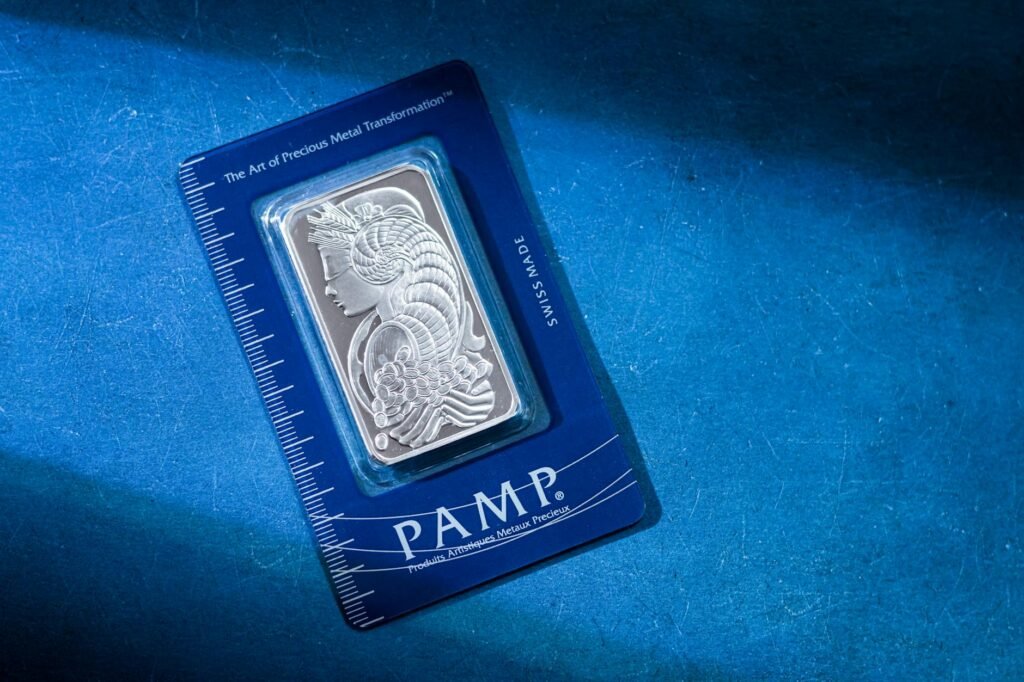

Silver price in India today stands at ₹2,60,000 per kilogram, reflecting strong global demand and domestic buying interest. Silver is not just a precious metal for jewelry but also a critical industrial commodity used in electronics, solar panels, batteries, and medical devices. Because of its dual demand nature, silver often shows stronger price swings compared to gold. Investors closely track such price levels to understand whether the market is preparing for further upside or a short-term correction in the coming weeks.
The current silver rate is influenced heavily by international market trends. Since precious metals are traded globally in US dollars, any movement in global commodity exchanges directly impacts Indian prices.
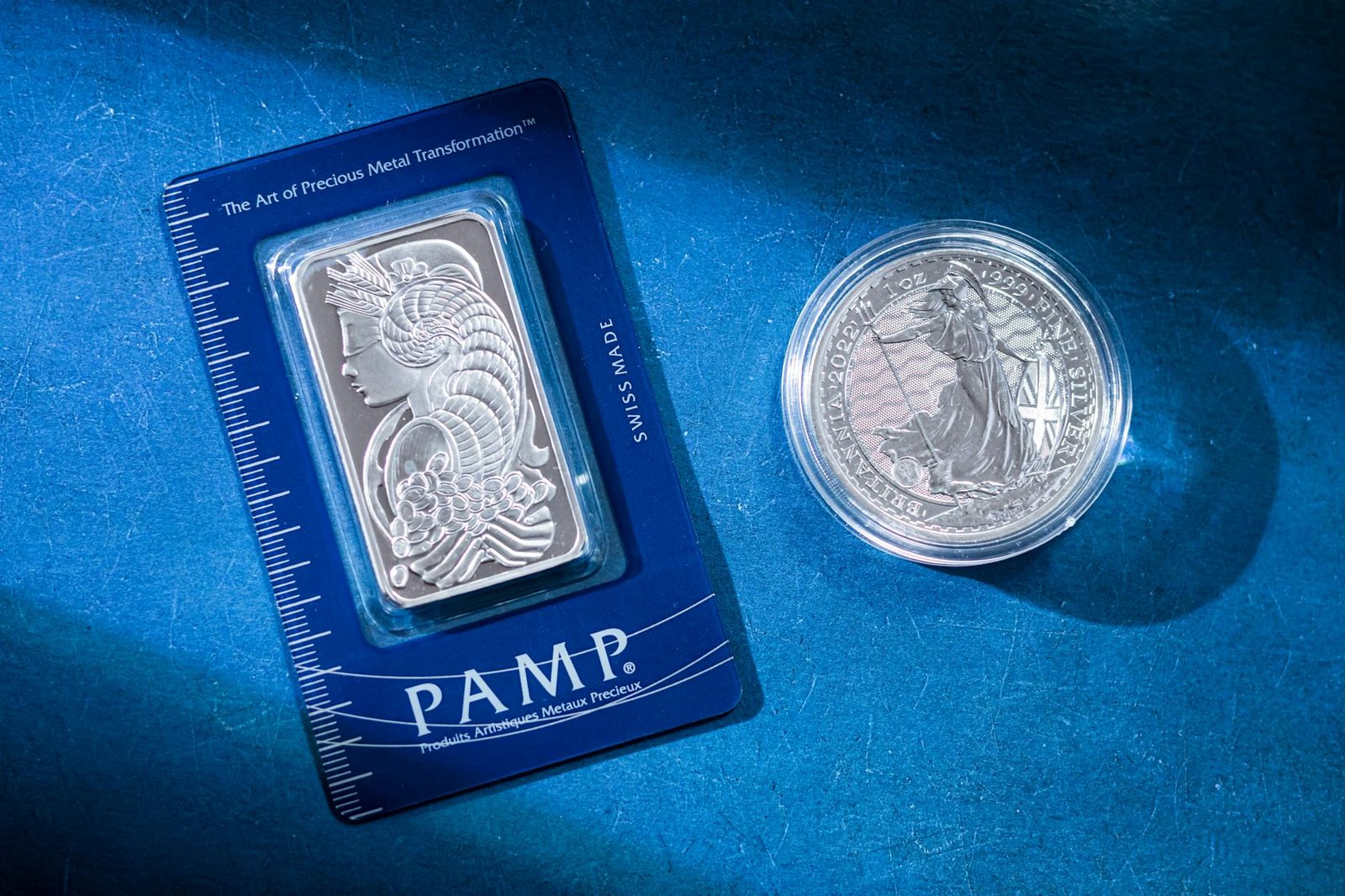
When international silver futures rise, domestic markets quickly adjust upward. Similarly, if global markets see profit booking, Indian rates may soften. Therefore, understanding global commodity behavior is essential before making investment decisions in the silver market this year.
Currency movement plays a very important role in determining the silver rate in India. If the Indian Rupee weakens against the US Dollar, the import cost of silver increases. Even if global prices remain stable, a weaker rupee can push domestic prices higher. On the other hand, a stronger rupee may provide temporary relief in pricing. Smart investors always monitor dollar index trends and RBI policies before investing heavily in imported commodities like silver.
Inflation expectations are another major factor supporting silver prices. During times of rising inflation, investors prefer tangible assets that can preserve purchasing power. Silver, like gold, is considered a hedge against inflation. When people feel that currency value is declining, they shift savings into precious metals. This shift in investment pattern increases demand and pushes prices upward. At ₹2,60,000 per kilogram, inflation-driven buying can continue to support the market.
Industrial demand is one of the strongest pillars behind silver’s long-term growth story. Silver is widely used in solar energy production, especially in photovoltaic cells. As countries focus on renewable energy expansion, silver consumption continues to rise. Electric vehicles, electronic components, and advanced medical technologies also require silver. This consistent industrial usage differentiates silver from gold and creates a structural demand base that supports prices over time.
Market volatility is generally higher in silver compared to gold. Because silver has both industrial and investment demand, it reacts quickly to economic data releases, manufacturing reports, and global growth forecasts. Traders prefer silver for short-term opportunities due to its rapid price movements. However, this volatility also increases risk. Long-term investors must stay disciplined and avoid emotional decisions during temporary price fluctuations.

Interest rate decisions by major central banks significantly impact silver prices. When interest rates are high, fixed-income investments become more attractive, sometimes reducing demand for non-yielding assets like silver. Conversely, when central banks signal rate cuts, precious metals often gain momentum. Investors should monitor US Federal Reserve announcements and domestic monetary policies to better predict silver’s direction in the coming months.
Global economic uncertainty often strengthens silver prices. During geopolitical tensions or financial instability, investors move funds toward safe-haven assets. Silver benefits from this defensive buying behavior. If international conflicts or trade tensions increase, demand for precious metals can rise sharply. Such global uncertainties create price momentum even if industrial demand remains unchanged. Therefore, geopolitical developments should always be part of investment analysis.
Supply dynamics also influence the silver market significantly. Silver mining output depends on global mining activities, regulatory conditions, and production costs. Any disruption in mining operations can tighten supply. When supply becomes limited while demand remains strong, prices naturally move upward. Investors should watch mining reports and global production data to understand potential future supply shortages.
Retail demand in India remains an important factor in price stability. Silver is widely purchased during festivals, weddings, and cultural events. Many small investors prefer silver because it is more affordable than gold. At ₹2,60,000 per kilogram, smaller denominations like coins and bars remain accessible for middle-class buyers. Seasonal demand often provides additional support to domestic prices.
Silver exchange-traded funds have made investment easier for modern investors. Instead of buying physical silver and worrying about storage, investors can purchase silver ETFs through stock exchanges. This method offers liquidity and transparency. As digital investment awareness grows, ETF participation may increase further, supporting overall silver demand in the financial market.
Technical analysis also plays an important role in short-term price forecasting. Traders observe support and resistance levels, moving averages, and volume trends. If silver sustains above ₹2,60,000 with strong trading volume, it may indicate bullish continuation. However, failure to hold above this level could trigger profit booking. Market psychology often drives price movement around such significant price zones.
Economic growth trends impact silver demand from industries. If global manufacturing expands, silver consumption increases. However, during economic slowdowns, industrial demand may temporarily decline. Investors must balance both positive and negative indicators before making decisions. Long-term structural demand remains strong, but short-term fluctuations are always possible in commodity markets.
Inflows from institutional investors can significantly move prices. Hedge funds and large commodity traders often build positions based on macroeconomic outlook. If institutions expect higher inflation or currency weakness, they may increase silver exposure. Such large-scale buying can push prices sharply higher in a short period. Monitoring institutional activity provides valuable market insight.
Silver also serves as a diversification tool in investment portfolios. Including precious metals reduces overall portfolio volatility during stock market corrections.
A balanced allocation between equities, bonds, and metals helps in wealth preservation. Financial planners often recommend limited but strategic exposure to silver as part of long-term financial planning.
Long-term investors should focus on gradual accumulation instead of timing the market perfectly. Systematic investment strategies reduce risk and smooth out volatility. Buying in phases allows investors to average out purchase cost. This disciplined approach is more effective than making large one-time investments based on short-term market excitement.
Government policies related to import duties can influence domestic silver prices. If import taxes increase, local prices may rise further. On the other hand, reduced duties could provide some price relief. Policy changes often impact commodity markets quickly, so investors should stay informed about regulatory updates.
Global commodity cycles also affect silver’s long-term trajectory. When commodities enter a bullish supercycle, metals often see multi-year upward trends. Industrial expansion, infrastructure growth, and green energy transformation could support such a cycle. Observing long-term macro trends helps investors position themselves strategically.
Supplements – health
https://primalgrowpro24.com/text.php#aff=AnasMansuri111
Risk management remains crucial while investing in silver. Because of volatility, using proper allocation and avoiding overexposure protects capital. Investors should align silver investment with financial goals and risk tolerance. Blind speculation without planning can lead to unnecessary losses in commodity markets.
At ₹2,60,000 per kilogram, silver reflects strong demand and evolving global conditions. Future movement will depend on inflation trends, industrial expansion, currency strength, and investor sentiment. Careful analysis and disciplined strategy can help investors benefit from opportunities while managing risks effectively in 2026 and beyond.
Silver price today is ₹2,60,000 per kilogram in India.
Investors are closely watching the silver market.
Silver demand remains strong globally.
Industrial use supports long term growth.
Solar energy expansion increases silver consumption.
Electric vehicle production boosts demand.
Electronics industry depends on silver components.
Global prices influence Indian market rates.
Dollar movement impacts domestic silver pricing.
Rupee weakness pushes prices higher.
Inflation supports precious metal demand.
Silver acts as inflation hedge.
Market volatility creates opportunities.
Short term traders track price levels.
Long term investors focus on fundamentals.
Interest rate decisions affect silver trends.
Lower rates often support metals.
Global uncertainty increases safe haven buying.
Geopolitical tensions impact commodity markets.
Mining supply influences price movement.
Production disruptions can raise rates.
Retail demand rises during festivals.
Indian buyers prefer physical silver.
Coins and bars remain popular choices.
Silver is more affordable than gold.
Portfolio diversification reduces risk.
Precious metals balance equity exposure.
Institutional investors track inflation data.
Commodity cycles influence long term trend.
Renewable energy policies support demand.
Green economy growth benefits silver.
Technical charts show resistance levels.
Support zones guide traders.
Volume confirms market direction.
Breakout above key level signals strength.
Profit booking causes temporary corrections.
Economic data moves commodity markets.
Manufacturing growth increases consumption.
Slowdown may reduce short term demand.
Central bank policy impacts sentiment.
Global liquidity affects investments.
ETF inflows strengthen silver prices.
Digital investment platforms increase access.
Storage concerns reduced through ETFs.
Silver has dual demand nature.
Investment and industry both drive price.
Price swings are common in silver.
Risk management is essential.
Stop loss protects capital.
Disciplined investing builds stability.
Gradual accumulation reduces risk.
Timing market perfectly is difficult.
Inflation trends shape future outlook.
Strong dollar can limit upside.
Weak dollar supports metal rally.
Import duty impacts domestic pricing.
Government policies affect supply chain.
Long term trend remains positive.
Short term volatility continues.
Financial planning includes precious metals.
Diversification strengthens wealth strategy.
Commodity allocation must be balanced.
Overexposure increases financial risk.
Silver demand grows yearly.
Technology sector expansion supports prices.
Global infrastructure growth boosts usage.
Renewable targets raise consumption forecasts.
Analysts watch global futures market.
International exchanges guide local trend.
Speculative trading increases volatility.
Long term holding reduces stress.
Economic recovery drives industrial need.
Inflation fear drives investment buying.
Silver performs well in uncertainty.
Safe haven demand adds support.
Market psychology drives breakout levels.
Price consolidation often precedes rally.
Strong demand zone forms base.
Investors track macro indicators.
Commodity strength signals economic shifts.
Silver market remains dynamic.
Risk and reward both present.
Strategic allocation improves returns.
Monitoring global news is important.
Industrial demand creates foundation.
Investment demand creates momentum.
Supply shortage fuels price spike.
Balanced approach ensures safety.
Silver continues attracting investors.
Future outlook depends on economy.
Interest rate cuts may boost price.
Inflation persistence supports buying.
Careful research improves decision making.
Financial discipline protects wealth.
Silver remains valuable asset.
₹2,60,000 level becomes key benchmark.
Investors evaluate buy or wait strategy.
Market momentum decides next move.
Smart investing ensures long term growth.