

The geopolitical situation between Iran and Israel has escalated rapidly in early 2026, with Israel and the United States launching coordinated strikes on Iranian military targets, triggering fears of broader conflict across the Middle East. The strikes, referred to as Operation Lion’s Roar, aim to dismantle Iran’s missile and nuclear capabilities, deepening instability and drawing global attention. These developments have sparked travel warnings, airspace closures, and heightened market volatility, pushing investors toward safe-haven assets such as gold and silver. Global oil prices and financial markets are also reacting to rising risks of prolonged hostilities and regional escalation.
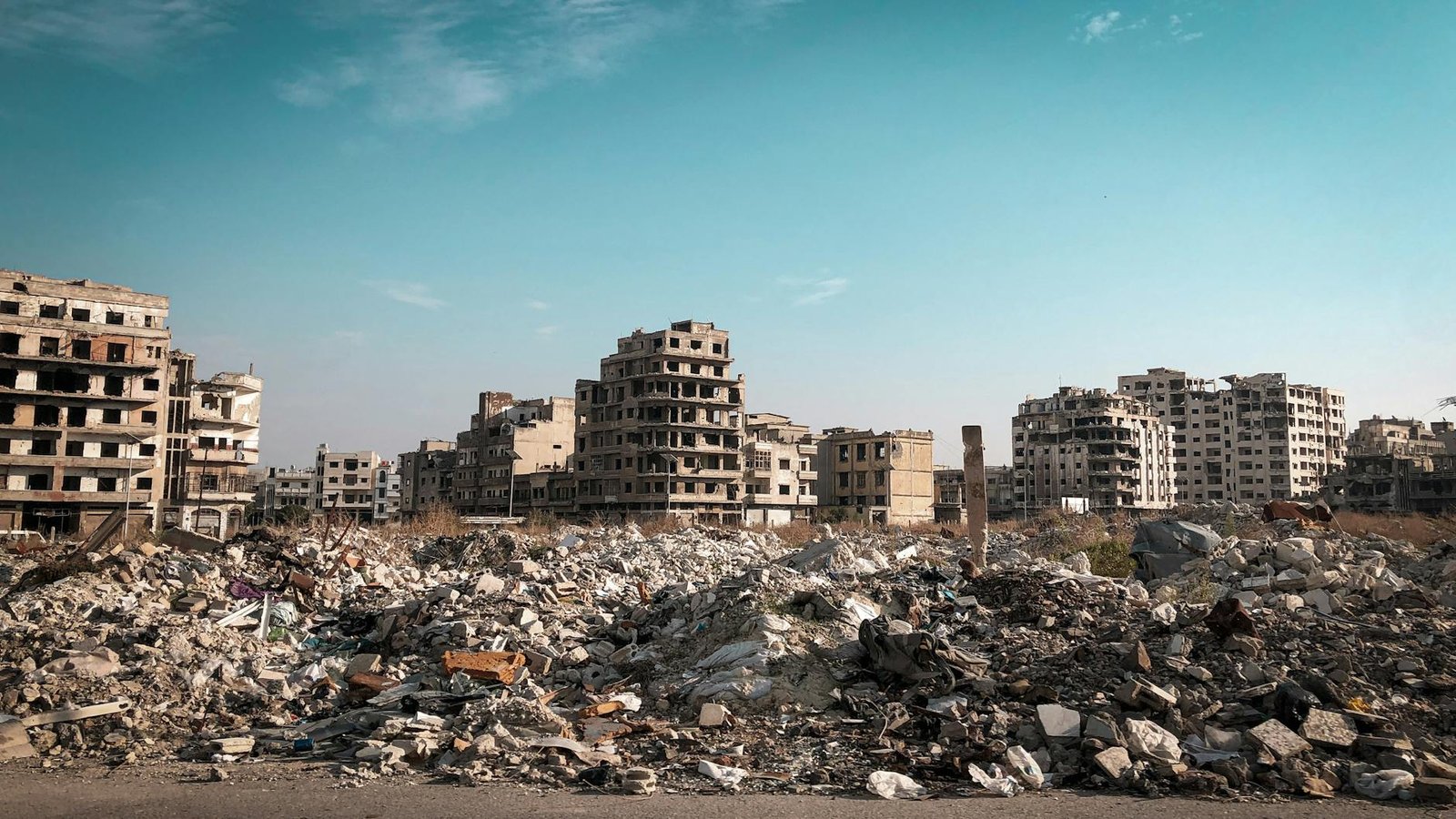
The recent military action has already impacted regional stability, prompting international diplomatic responses and travel advisories. Countries like Australia have warned citizens about increased threats and potential retaliation by Iran, indicating a possible expansion of conflict zones. Financial markets worldwide are cautious, with equities experiencing volatility and risk-off sentiment rising. The conflict’s impact extends beyond military engagement, affecting economic forecasts, energy markets, and investor confidence. Analysts are closely monitoring developments, particularly the potential for reprisals or further escalation if diplomatic efforts fail. This heightened geopolitical risk plays a significant role in shaping global commodity prices and financial behavior.
The Guardian
The conflict has revived memories of earlier flare-ups between the two nations, which previously saw ceasefires and temporary lulls in fighting. Past disruptions triggered shifts in commodity markets, including spikes in oil, gold, and silver, as investors sought refuge from uncertainty. Regional strategic chokepoints like the Strait of Hormuz, critical for global oil transport, remain flashpoints where any escalation could drastically affect crude oil supply and prices. Given Iran’s past threats to disrupt shipping routes, markets remain sensitive to news flows. Economic linkages between Middle East stability and global energy security are under renewed scrutiny by analysts and traders alike.
Wikipedia
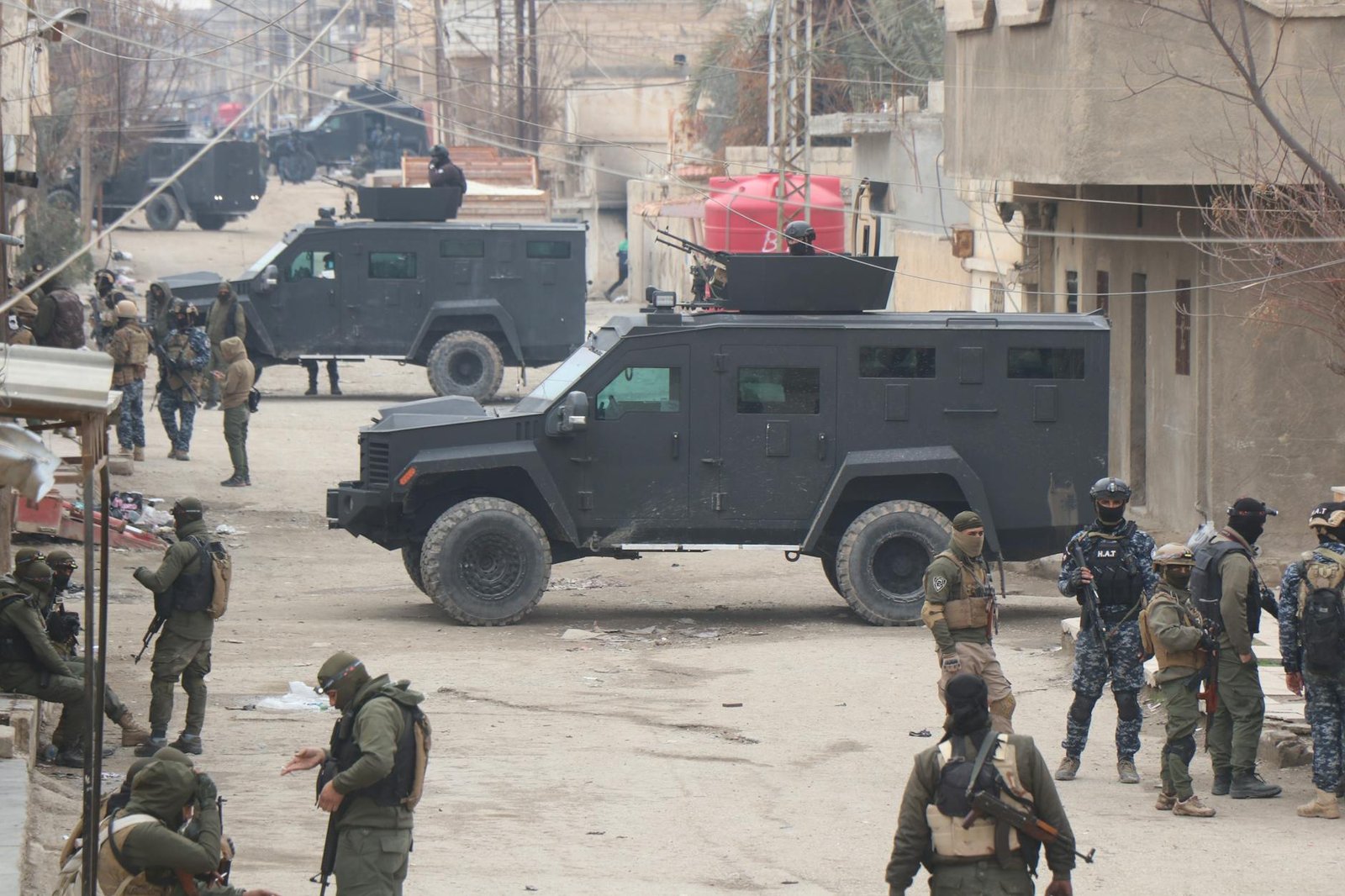
One notable consequence of ongoing tensions has been a surge in safe-haven asset demand, including precious metals. During previous conflicts in the region, gold and silver prices climbed as investors sought stable stores of value amid uncertainty. Exchange-traded funds linked to gold and silver recorded significant inflows, with some rising up to 17% as geopolitical risk heightened and stock markets wavered. Such patterns suggest that conflict risk, even before full-scale war, can shift investor behavior and affect pricing across multiple asset classes.
The Economic Times
Beyond financial markets, the conflict’s human and economic toll is substantial. Past clashes between Iran and Israel involved military casualties, infrastructure damage, and economic disruption. Iran’s economic situation, weakened by longstanding sanctions, has already seen its currency depreciate significantly, pushing citizens toward physical assets like precious metals to preserve savings. This cultural shift toward gold and silver as portable wealth sources reflects broader concerns about currency instability and economic uncertainty amplified by conflict.
CHECK ON AMAZON FOR OFFER VALID TODAY
AP News
Military escalation could also influence regional alliances and global diplomatic priorities. With the United States actively involved on behalf of Israel, other global powers are watching closely. Any expansion of hostilities could draw additional nations into diplomatic negotiations or proxy engagements, potentially disrupting global trade and security frameworks. Analysts believe that even rumors of escalation can trigger market adjustments, while actual conflict may have deeper economic effects.
Wikipedia
Energy markets are particularly sensitive to Middle East instability. Oil prices surged sharply during earlier flare-ups when investor fear of supply disruption spiked. Given that a significant portion of global oil passes through strategic waterways near Iran, any threat to shipping routes could push crude prices higher, indirectly influencing inflation and currency values worldwide. This dynamic ties geopolitical risk directly to economic indicators that affect consumers and industries alike.
DW
The conflict’s influence on stock markets has been documented, with global indices falling amid fear and uncertainty. During prior Israeli strikes on Iran, Asian and Western stock markets retreated as investors exited equities and shifted toward bonds and metals. Volatility indicators rose sharply, reflecting elevated risk perceptions. When Iran signaled possible negotiation overtures in prior tensions, markets responded positively, indicating that perceived de-escalation can quickly lift investor confidence alongside equities and commodities.
New York Post
Diplomatic efforts remain a key variable in determining how far tensions escalate. Despite recent military operations, talks and negotiations continue intermittently on technical and political fronts, signaling that both confrontation and dialogue shape the region’s future. Governments and financial institutions are watching closely, as even limited diplomatic breakthroughs can ease market pressure and reduce safe-haven demand for gold and silver.
AP News
In India and other metal-importing economies, elevated conflict risk can affect precious metal prices and energy costs. Increased global demand for safe havens often leads to higher gold and silver pricing domestically, while oil price spikes can raise inflationary pressures. Retail investors often adjust portfolios to include more defensive assets, and commodity markets show higher volatility during geopolitical events, underlining the interconnected nature of global risk and financial behavior.
The Economic Times
The broader global economic impact is complex, as sustained conflict can amplify costs, reduce growth prospects, and disrupt trade flows. Middle East instability raises insurance and transportation costs for global shipping, which in turn affects goods pricing and supply chains. Energy-importing countries must navigate higher import bills and currency impacts, while exporters may see demand shifts depending on commodity price dynamics.
Wikipedia
Analysts emphasize that investors should not focus solely on headline news but also consider macroeconomic fundamentals. Monetary policy decisions, inflation data, and corporate earnings all play a role in how markets respond to geopolitical shocks. While geopolitical fear can drive short-term rallies in precious metals, long-term trends depend on economic growth, consumer demand, and political resolutions.
Wikipedia
Investors looking at precious metals during conflict periods are advised to balance safety with risk management. Precious metals can act as hedges during uncertainty, but they also can be volatile in response to news developments. Strategic allocation rather than speculative positioning often yields more sustainable results, especially during prolonged geopolitical instability.
Market reactions also reflect investor psychology. Fear and uncertainty often drive demand for perceived safe assets, creating price movements beyond traditional supply-demand metrics. Understanding sentiment alongside fundamental drivers provides a clearer picture of market behavior when geopolitical tensions rise.
Financial markets are also influenced by corporate earnings expectations and interest rate outlooks. Even during geopolitical stress, better-than-expected economic data or favorable policy signals can stabilize markets and reduce volatility, showing how multi-factor influences shape asset pricing.
Silver’s role as both a precious and industrial metal means it responds not only to safe-haven demand but also to economic growth signals. Industrial demand can cushion price drops if investor sentiment retracts. This dual-demand nature differentiates it from assets driven solely by risk aversion.
Gold remains the traditional refuge during geopolitical stress, but silver’s volatility often makes it a more sensitive barometer of market fear. Price history shows that silver can spike quickly during sharp risk-off sentiment, though it may also retract rapidly if fear subsides.
Currency market reactions are also relevant. The US dollar often strengthens during global uncertainty, which can temper precious metal price movements. However, if conflict leads to inflation fears or supply shocks, currencies can weaken, reinforcing metal price increases.
Energy policy and strategic reserves play a role in how countries respond to oil price shocks. Nations may release strategic reserves to mitigate price spikes, or coordinate internationally to stabilize markets. Such actions influence both energy and broader financial markets.
Central bank responses to inflation and economic stress can also shift market dynamics. Interest rate decisions, bond purchases, and market liquidity measures influence how investors perceive risk and return during geopolitical events.
Insurance markets, especially for trade and shipping, react quickly during geopolitical escalation. Higher premiums on shipping and commodity transport raise costs for global trade, which can feed into consumer prices and inflation.
The interconnected nature of global finance means that a regional conflict can produce ripples across multiple asset classes and markets. Investors must balance geopolitical insights with economic indicators when forming strategies.
In summary, the Iran-Israel conflict, marked by recent military action and ongoing tensions, has wide-ranging implications for global markets, particularly precious metals, energy prices, and investor behavior. Monitoring both political developments and economic fundamentals is crucial for navigating this complex landscape in 2026.
Iran and Israel tensions are making global headlines.
The Middle East is witnessing rising geopolitical instability.
Military developments have increased global concern.
Investors are reacting cautiously to the situation.
Stock markets are showing signs of volatility.
Safe haven demand is increasing worldwide.
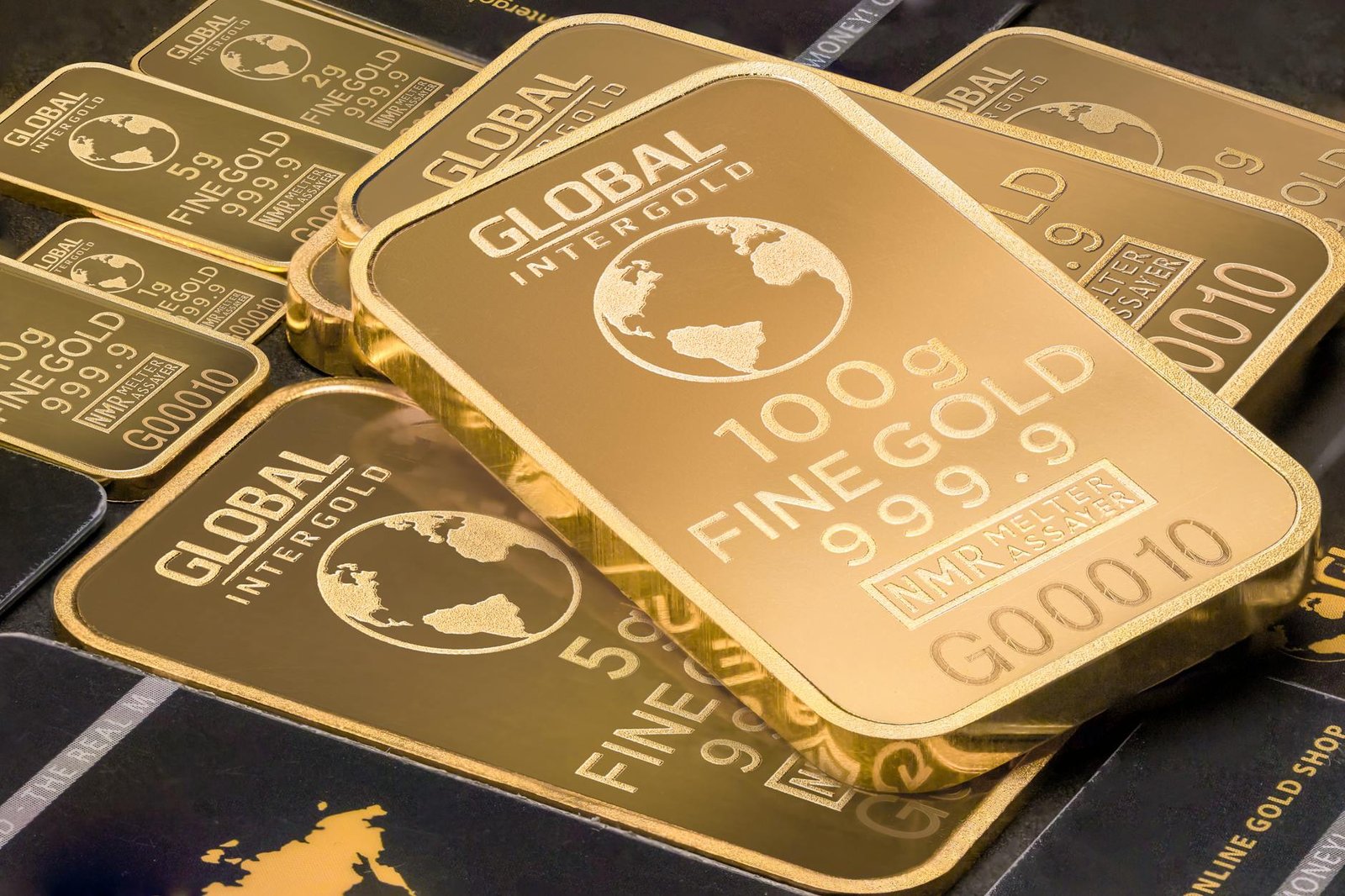
Gold prices are attracting strong buying interest.
Silver is also seeing renewed investor attention.
Oil markets are reacting sharply to the news.
Energy supply concerns are growing globally.
The Middle East plays a key role in oil exports.
Any disruption can impact global inflation.
Currency markets are responding to uncertainty.
The US dollar often strengthens during conflict.
Emerging markets may face temporary pressure.
Investors are shifting toward defensive assets.
Bond yields may fluctuate with risk sentiment.
Precious metals benefit during instability.
Short term price spikes are common.
Long term trends depend on escalation levels.
Global leaders are calling for restraint.
Diplomatic efforts are being closely watched.
Markets react quickly to every headline.
Geopolitical risk increases market volatility.
Oil supply routes remain sensitive zones.
Shipping and insurance costs may rise.
Energy importing nations may feel pressure.
Inflation expectations could increase.
Central banks may monitor the situation carefully.
Interest rate outlook may shift slightly.
Safe haven flows drive commodity prices.
Equity markets may see profit booking.
Investors prefer capital protection strategies.
Hedge funds adjust exposure rapidly.
Institutional money flows influence price trends.
Retail investors follow news developments closely.
Commodity exchanges show increased activity.
Gold ETFs may see inflows.
Silver volatility can be stronger than gold.
Industrial demand still supports silver.
Risk appetite reduces during conflict.
Global trade sentiment may weaken.
Airspace restrictions could affect travel.
Oil reserves discussions may begin.
Energy security becomes a top priority.
Financial analysts track escalation signals.
De-escalation news can calm markets quickly.
Peace talks can reverse short term rallies.
Fear driven rallies may stabilize later.
Currency fluctuations add complexity.
Supply chain concerns may resurface.
Insurance premiums for cargo may rise.
Regional alliances are being monitored.
Defense sectors may see movement.
Global GDP forecasts may adjust slightly.
Inflation sensitive assets gain attention.
Portfolio diversification becomes important.
Precious metals act as protective assets.
Investors reduce high risk exposure.
Volatility index levels may rise.
Commodity traders stay alert.
Energy stocks react to oil moves.
Risk management becomes crucial.
Global banks analyze possible impact.
Markets hate uncertainty most.
Short term reactions can be sharp.
Long term direction depends on diplomacy.
Trade routes remain strategic focus.
Strategic reserves discussions may increase.
International organizations call for calm.
Economic stability becomes priority.
Geopolitical headlines dominate financial news.
Emerging economies monitor oil prices closely.
Safe investment demand stays elevated.
Industrial metals may react differently.
Consumer sentiment could weaken slightly.
Corporate earnings outlook may shift.
Currency reserves management becomes important.
Financial institutions reassess exposure.
Commodity volatility attracts traders.
Long term investors stay cautious.
Speculation increases market swings.
Energy infrastructure security gains focus.
Market liquidity may tighten temporarily.
Capital flows move toward stability.
Precious metal miners may see action.
Energy exporters watch price trends.
Global cooperation becomes essential.
Diplomatic channels remain critical.
Market confidence depends on developments.
Stability can restore investor trust.
Conflict escalation increases uncertainty.
Ceasefire news may cool markets.
Economic fundamentals still matter.
Global markets remain interconnected.
Investors balance fear and opportunity.
Risk and reward both exist.
Monitoring updates remains essential.