
Paragraph 1 (English)
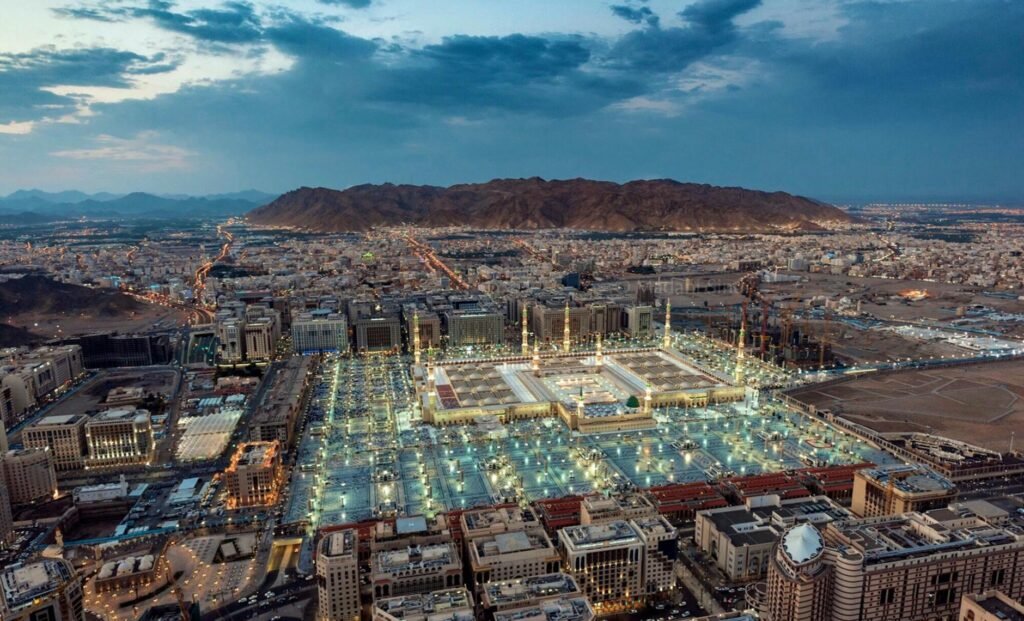
Hazrat Umar ibn al-Khattab رضي الله عنه was the second Caliph of Islam, remembered for his justice, wisdom, and strong leadership. His era was marked by expansion, reforms, and the establishment of true Islamic governance. He is considered one of the greatest rulers in history, whose model of governance continues to inspire leaders today.
Paragraph 2 (Hindi)
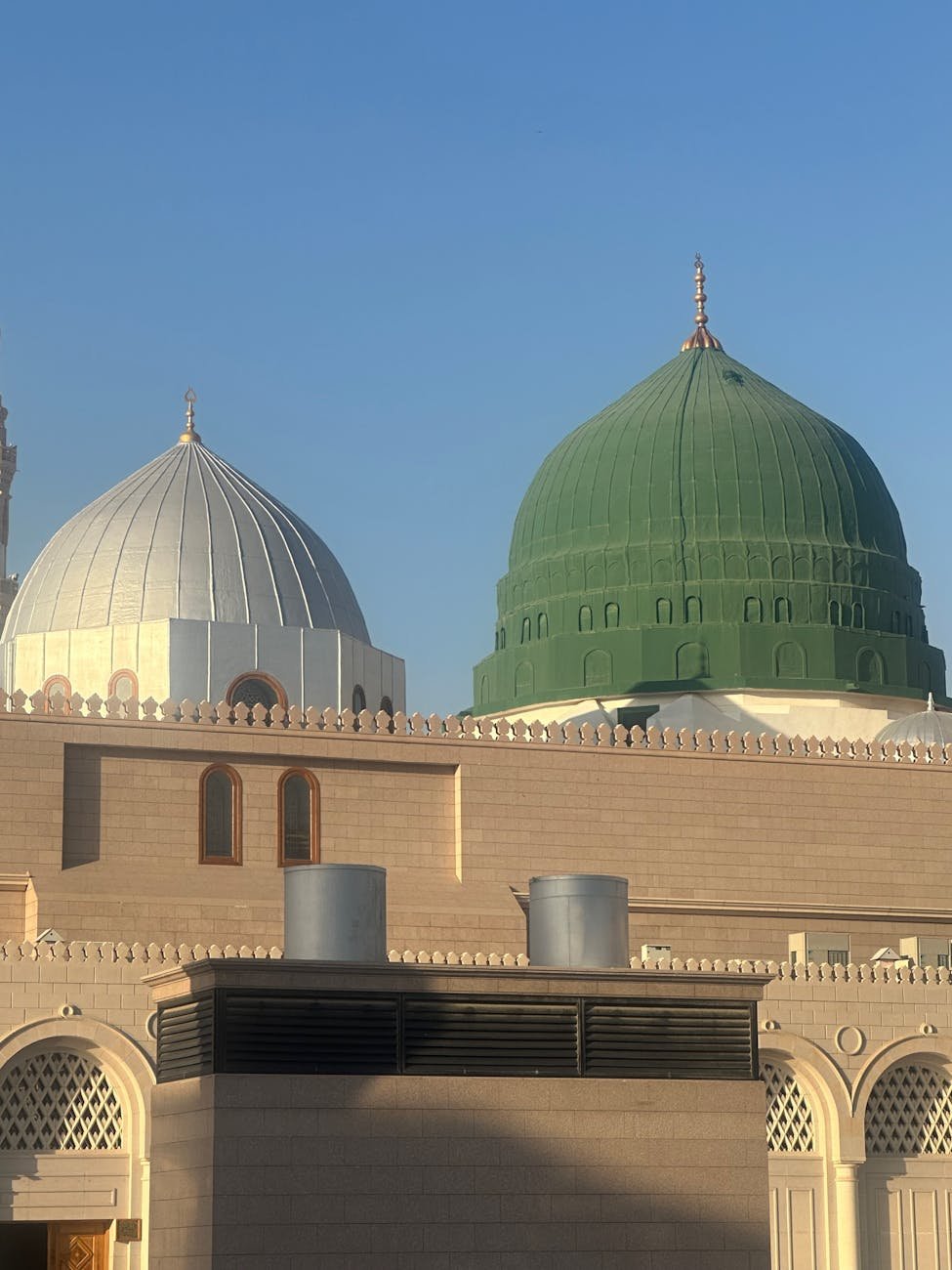
हज़रत उमर इब्नुल ख़त्ताब رضي الله عنه इस्लाम के दूसरे ख़लीफ़ा थे, जिन्हें इंसाफ़, हिकमत और मज़बूत लीडरशिप के लिए याद किया जाता है। उनका दौर इस्लाम की फ़तह, सुधार और हक़ीक़ी इस्लामी हुकूमत के क़ायम होने से भरा था। उन्हें दुनिया के सबसे बड़े हुक्मरानों में गिना जाता है, जिनकी हुकूमत आज भी लीडरों के लिए मिसाल है।
Paragraph 3 (English)
Before Islam, Umar was among the fiercest enemies of Muslims. He was feared in Makkah for his strength and harsh nature. But the recitation of Surah Taha touched his heart, leading him to accept Islam sincerely. His conversion changed the balance of power in Makkah and gave Muslims new confidence.
Paragraph 4 (Hindi)
इस्लाम से पहले उमर मुसलमानों के सबसे बड़े दुश्मनों में से थे। मक्का में उनकी ताक़त और सख़्ती से लोग डरते थे। लेकिन सूरह ताहा की तिलावत ने उनके दिल को बदल दिया और उन्होंने पूरे इख़लास के साथ इस्लाम कबूल कर लिया। उनके मुसलमान होते ही मक्का में मुसलमानों का हौसला बढ़ गया और उन्हें नया हौसला मिला।
Paragraph 5 (English)
The Prophet ﷺ gave him the title “Al-Faruq,” meaning the one who distinguishes truth from falsehood. Umar’s courage and justice made him a powerful supporter of Islam. Muslims began to pray openly in Makkah after his conversion, and the strength of the Muslim community increased greatly.
Paragraph 6 (Hindi)
रसूलुल्लाह ﷺ ने उन्हें “अल-फ़ारूक़” का लक़ब दिया, यानी हक़ और बातिल के बीच फ़र्क़ करने वाला। उमर की बहादुरी और इंसाफ़ ने उन्हें इस्लाम का मज़बूत सहारा बना दिया। उनके इस्लाम कबूल करने के बाद मुसलमानों ने मक्का में खुलकर नमाज़ पढ़नी शुरू की और उम्मत की ताक़त कई गुना बढ़ गई।
Paragraph 7 (English)
As Caliph, Umar رضي الله عنه expanded the Islamic empire beyond Arabia, reaching Persia, Syria, Egypt, and Byzantine territories. Despite ruling over vast lands, he lived a simple life, eating plain food and wearing patched clothes. His humility showed that leadership was a responsibility, not a privilege.
Paragraph 8 (Hindi)
ख़लीफ़ा बनने के बाद उमर رضي الله عنه ने इस्लामी सल्तनत को अरब से बाहर फ़ारस, शाम, मिस्र और रोमन इलाक़ों तक फैला दिया। इतनी बड़ी हुकूमत पर राज करने के बावजूद वह बेहद सादा ज़िंदगी जीते, सादा खाना खाते और पैबंद लगी हुई कपड़े पहनते। उनकी सादगी दिखाती थी कि लीडरशिप हक़ीक़त में एक ज़िम्मेदारी है, न कि शोहरत का ज़रिया।
Paragraph 9 (English)
Hazrat Umar رضي الله عنه introduced major reforms in administration. He established a proper system of justice, appointed judges, and introduced the concept of a welfare state. He cared for widows, orphans, and the poor, ensuring that no one slept hungry under his rule.
Paragraph 10 (Hindi)
हज़रत उमर رضي الله عنه ने इंतिज़ामात में बड़े सुधार किए। उन्होंने अदालती निज़ाम क़ायम किया, क़ाज़ियों की नियुक्ति की और एक “फ़लाही हुकूमत” का तसव्वुर पेश किया। वह बीवाओं, यतीमों और ग़रीबों की फ़िक्र करते थे और यह यक़ीन बनाते कि उनकी हुकूमत में कोई भूखा न सोए।
Paragraph 11 (English)
He was extremely strict about justice. Even governors and commanders were accountable before him. Umar never allowed favoritism or injustice, and he used to say, “If a dog dies hungry on the bank of the Euphrates, I fear I will be accountable before Allah.”
Paragraph 12 (Hindi)
वह इंसाफ़ के मामले में बहुत सख़्त थे। यहाँ तक कि गवर्नर और कमांडर भी उनके सामने जवाबदेह होते। उमर कभी पक्षपात या ज़ुल्म बर्दाश्त नहीं करते थे। वह कहा करते थे: “अगर फ़ुरात के किनारे कोई कुत्ता भी भूखा मर गया, तो मुझे अल्लाह के सामने जवाब देना होगा।”
Paragraph 13 (English)
Hazrat Umar رضي الله عنه personally patrolled the streets at night to check on the condition of his people. He would carry sacks of flour on his back to feed hungry families. This showed his deep sense of responsibility and compassion towards his people.
Paragraph 14 (Hindi)
हज़रत उमर رضي الله عنه रात में ख़ुद गली-कूचों में गश्त करते ताकि अपनी कौम की हालत देख सकें। वह अपनी पीठ पर आटे की बोरी उठाकर भूखे घरों तक ले जाते थे। यह उनकी गहरी ज़िम्मेदारी और अपनी कौम के लिए रहम-दिली को दिखाता है।
Paragraph 15 (English)
Under his rule, the Islamic calendar (Hijri) was introduced, marking an important milestone in Islamic history. He organized the army, introduced salaries for soldiers, and ensured that the treasury was used fairly for the welfare of people.
Paragraph 16 (Hindi)
उनके दौर-ए-ख़िलाफ़त में इस्लामी कैलेंडर (हिजरी) शुरू किया गया, जो इस्लामी तारीख़ में एक अहम पड़ाव था। उन्होंने फ़ौज को इंतिज़ाम किया, सिपाहियों की तंख्वाह तय की और यह यक़ीन बनाया कि बैतुल माल का इस्तेमाल इंसाफ़ी तौर पर लोगों की फ़लाह के लिए हो।
Paragraph 17 (English)
Hazrat Umar رضي الله عنه was martyred while leading Fajr prayer in Madinah. His death was a great loss to the Muslim Ummah, but his legacy of justice, reforms, and leadership continues to inspire the world even today.
Paragraph 18 (Hindi)
हज़रत उमर رضي الله عنه फ़ज्र की नमाज़ की इमामत करते वक़्त शहीद कर दिए गए। उनकी शहादत मुसलमान उम्मत के लिए बहुत बड़ा सदमा थी। लेकिन उनका इंसाफ़, सुधार और लीडरशिप आज भी पूरी दुनिया को राह दिखाती है।
Paragraph 19 (English)
The life of Hazrat Umar رضي الله عنه teaches that true leadership is not about power, but about responsibility, justice, and service to people. He remains an unmatched example of how rulers should govern with fairness and humility.
Paragraph 20 (Hindi)
हज़रत उमर رضي الله عنه की ज़िंदगी यह सबक़ देती है कि असल लीडरशिप ताक़त की नहीं, बल्कि ज़िम्मेदारी, इंसाफ़ और लोगों की ख़िदमत की होती है। वह हमेशा के लिए एक ऐसी मिसाल हैं, जिनसे हुक्मरानों को सीखना चाहिए।