
(1)
The Battle of Khaybar stands as one of the most powerful demonstrations of courage, strategy, and divine assistance in Islamic history. It took place in the 7th year after Hijrah, between the Muslims of Madinah led by Prophet Muhammad ﷺ and the Jewish tribes of Khaybar, who had plotted against Islam. Khaybar was a fertile oasis about 150 kilometers north of Madinah, filled with fortresses and wealth, making it a significant stronghold.
(2)
After the Treaty of Hudaybiyyah with Quraysh, the Prophet ﷺ turned his attention toward Khaybar. The Jewish tribes there had repeatedly betrayed treaties and allied themselves with enemies of Islam. This campaign was not merely about territory; it was a mission to secure peace, justice, and the safety of Madinah.

(3)
The fortresses of Khaybar were massive and heavily guarded. The Muslims numbered around 1,600, while the defenders were far more numerous and well-armed. Yet, faith once again became the weapon of victory. The Prophet ﷺ encouraged his companions, promising that the banner of Islam would only be held by someone whom Allah and His Messenger love.

(4)
That man was none other than Ali ibn Abi Talib رضي الله عنه. Despite suffering from an eye ailment, he was called by the Prophet ﷺ, who applied his blessed saliva to Ali’s eyes. Miraculously, the pain vanished instantly, and Ali led the Muslim army with immense strength and bravery.
(5)
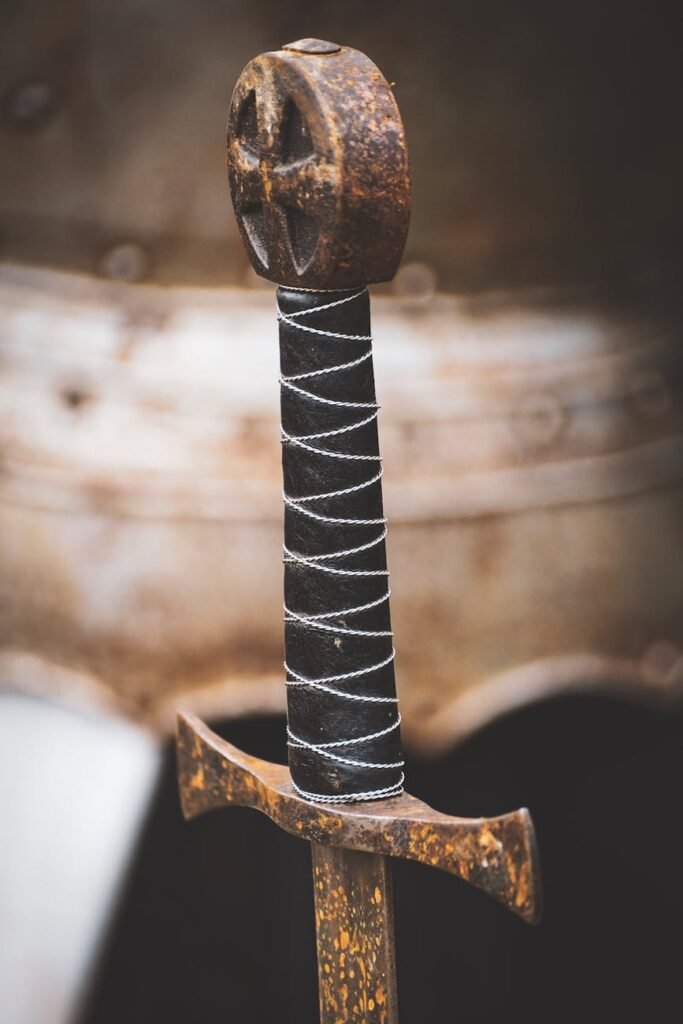
Ali carried the banner of Islam to the fortress of Qamus, one of the most heavily defended strongholds of Khaybar. The enemy forces fought fiercely, but Ali’s courage was unmatched. Using the legendary sword Zulfiqar, he defeated the enemy champion Marhab in single combat, which became one of the most iconic moments in Islamic military history.

(6)
The Muslims fought not for wealth or revenge, but for justice and the protection of their faith. Every move they made was guided by the Prophet ﷺ, who displayed unmatched leadership and calmness under pressure. His strategy combined wisdom, mercy, and tactical precision.
(7)
As each fortress fell, the morale of the defenders weakened. The Muslims captured fortress after fortress until the last stronghold surrendered. The Prophet ﷺ ordered fair treatment of prisoners and prohibited any unnecessary bloodshed or destruction of property, showing Islam’s deep commitment to humanity and ethics even in times of war.
(8)
The victory at Khaybar brought immense blessings. The Muslims gained access to fertile lands, crops, and economic stability. The Prophet ﷺ allowed the Jewish farmers to continue cultivating the land in exchange for sharing half of the produce — a system of cooperation and justice that benefited both sides.
(9)
This event demonstrated that Islam is not a religion of oppression, but of fairness and balance. The Prophet ﷺ forgave those who had plotted against him, focusing instead on establishing peace and stability. His mercy became a lesson for all leaders who came after him.
(10)
Spiritually, the Battle of Khaybar reinforced the believers’ faith that victory comes only from Allah. No matter how powerful the opponent, success depends on sincerity, unity, and steadfastness. The Quran’s message of patience and trust in Allah was fully realized in this historic event.
(11)
The companions returned to Madinah with gratitude, chanting praises to Allah for granting them such a miraculous victory. The Prophet ﷺ distributed the spoils with perfect fairness, ensuring that every fighter, including those who stayed in Madinah for legitimate reasons, received their due share.
(12)
This battle also marked a new phase of respect for the Muslims among the Arabian tribes. The name of Prophet Muhammad ﷺ began spreading far beyond the borders of the Hijaz, and many tribes started seeking alliances with Madinah rather than fighting against it.
(13)
Economically, the victory strengthened the Muslim community. The resources gained from Khaybar were used to support the poor, aid widows, and build stronger foundations for Islamic society. This prosperity, however, never led to arrogance — it deepened the believers’ gratitude.
(14)
Ali ibn Abi Talib’s heroism at Khaybar became a shining example of Islamic bravery. His humility, even after great victory, reflected the true spirit of a believer. He attributed every success to Allah, not personal strength, teaching that real courage comes from faith, not ego.
(15)
The women of Khaybar were treated with dignity and compassion, unlike the customs of pre-Islamic Arabia. The Prophet ﷺ established new moral standards for warfare — no harm to women, children, or civilians — principles that modern humanity continues to learn from.
(16)
The victory of Khaybar also silenced many critics of Islam who claimed that Muslims were weak or divided. Instead, it proved that faith, unity, and discipline could overcome any fortress or army. The power of belief became more significant than the power of weapons.
(17)
Prophet Muhammad ﷺ’s leadership during this campaign displayed a perfect balance of spiritual depth and worldly wisdom. He neither rushed to war nor sought revenge. Every decision he made was rooted in divine guidance and compassion for humanity.
(18)
The lessons of Khaybar remain timeless. Muslims today can learn from the discipline, sacrifice, and brotherhood of those who fought. It teaches that lasting success in life — whether spiritual or worldly — is built upon patience, trust, and teamwork.
(19)
Throughout Islamic history, Khaybar became a symbol of moral strength. It showed that victory without justice is meaningless. The Prophet ﷺ emphasized mercy even in triumph, ensuring that Islam remained a religion of peace and ethics, not conquest.
(20)
The Battle of Khaybar will forever be remembered as a moment when truth triumphed over deceit, faith over fear, and light over darkness. It was not just a battle of swords — it was a victory of the soul, proving that when hearts are united for Allah, no fortress is too strong to conquer.


