

In 2026-27, ranking on Google is only half the battle. The real success lies in transforming search traffic into measurable revenue. Many WordPress bloggers generate thousands of visitors but struggle to convert them into income because they lack a structured SEO monetization system. With strong advertiser demand and high purchasing power, US traffic presents massive earning opportunities when paired with the right keyword targeting and monetization strategies. This guide explains how to connect search intent with ads, affiliate marketing, digital products, and services, creating a scalable system that turns organic visibility into consistent long-term income.

The SEO Blueprint
SEO monetization begins with understanding the difference between traffic and qualified traffic. High rankings mean little if visitors leave without engaging or converting. The key is targeting keywords that reflect strong user intent. Informational searches build awareness, while transactional queries drive revenue. Bloggers who align content with buyer intent create natural monetization opportunities. Especially for US audiences, intent-driven traffic significantly increases conversion rates and overall profitability.
Keyword research forms the foundation of an effective SEO monetization strategy. Instead of chasing high-volume terms alone, successful bloggers focus on long-tail keywords with clear commercial value. These keywords may have lower search volume but higher conversion potential. By targeting specific problems and solutions, WordPress blogs attract readers ready to act. This approach improves ranking stability and revenue growth simultaneously.
Content quality directly impacts monetization success. Search engines prioritize content that demonstrates expertise, authority, and trust. Detailed guides, data-backed insights, and actionable advice perform better than thin articles. US readers value depth and clarity. High-quality content increases dwell time, lowers bounce rates, and strengthens monetization opportunities across ads, affiliates, and products.
Affiliate marketing integrates naturally with SEO-driven traffic. When blogs rank for comparison keywords or product-focused queries, affiliate links convert efficiently. Honest reviews and transparent recommendations build long-term trust.
US-based affiliate programs often offer higher commissions, especially in technology, finance, and software sectors. Strategic placement of affiliate links enhances conversions without harming user experience.
Display advertising remains a stable monetization method for high-traffic blogs. SEO ensures consistent visitors, while ad networks convert impressions into revenue. US traffic generates higher CPC and RPM rates due to strong competition among advertisers. Optimizing layout and page speed increases ad performance. Balanced ad placement protects both rankings and earnings.
Digital products offer one of the highest profit margins in SEO monetization systems. Ranking for educational or problem-solving keywords allows bloggers to promote their own ebooks, courses, or templates. Unlike affiliate marketing, digital products provide full control over pricing and branding.
US audiences respond well to premium, outcome-driven resources that solve real challenges.
Service-based monetization complements SEO growth. Bloggers who rank for expertise-driven keywords can attract consulting or freelance clients. A WordPress blog acts as both marketing channel and portfolio.
High-intent traffic from the United States often converts into premium service inquiries. This method generates immediate income while building authority.
Email marketing strengthens SEO monetization by capturing search visitors into long-term subscribers. Instead of relying solely on organic rankings, bloggers convert traffic into owned audiences. Lead magnets encourage sign-ups. Email campaigns promote affiliate products, digital resources, and services effectively. US subscribers typically show higher engagement and purchasing behavior.
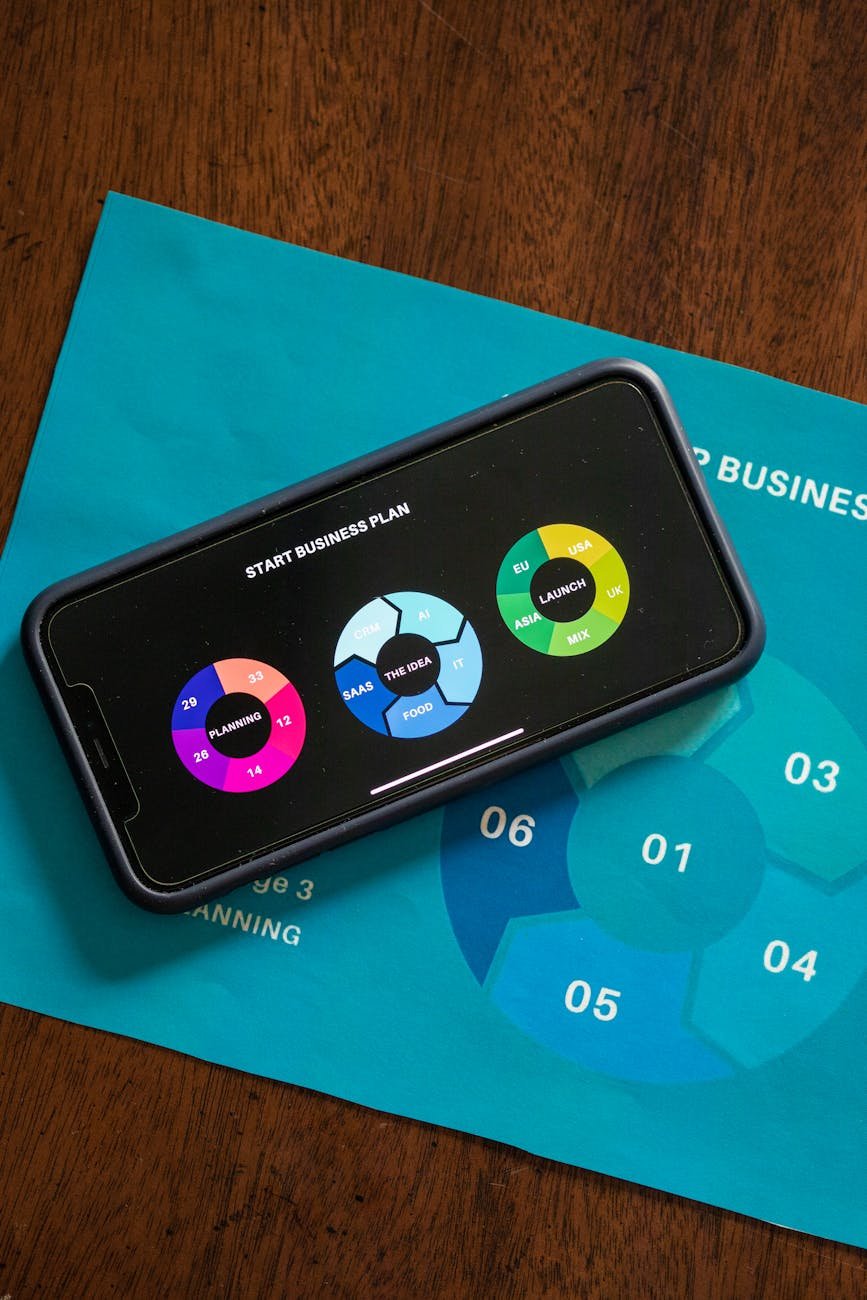
Blogging for Business (Latest Edition)
On-page SEO optimization improves both visibility and monetization. Proper headings, internal linking, and structured formatting enhance readability and ranking performance. Clear calls to action guide visitors toward monetized sections. Optimized content increases user engagement and conversion probability.
Technical SEO ensures consistent income flow. Fast loading speeds, mobile responsiveness, and secure hosting improve search performance. Google prioritizes user-friendly websites. US users expect smooth browsing experiences. Technical improvements directly impact both traffic volume and revenue generation.
Premium ad networks increase revenue potential once traffic reaches required thresholds. Platforms like Ezoic and Mediavine optimize ad placement using data-driven systems. US traffic performs exceptionally well on these networks. Transitioning from basic ad systems significantly boosts earnings without increasing content workload.
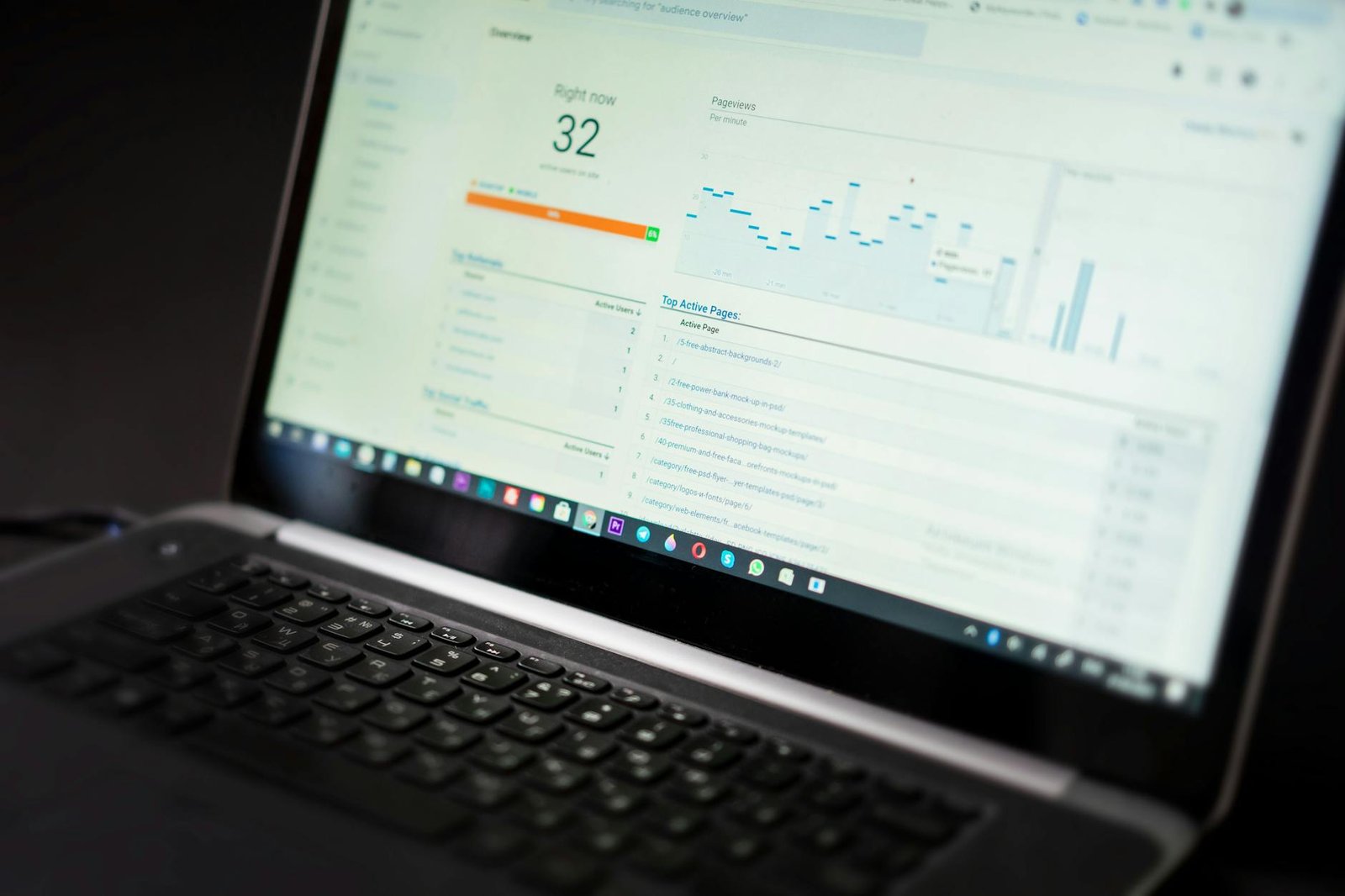
Data analytics drives smarter monetization decisions. Tracking revenue per page reveals which content types generate the most income. Conversion rate analysis helps refine calls to action. Continuous improvement ensures sustained growth. Data-based optimization consistently outperforms guesswork strategies.
Traffic diversification protects monetization stability. Depending solely on Google rankings can be risky. Combining search traffic with email, social platforms, and Google Discover builds resilience. Diversified traffic streams ensure income continuity during algorithm updates.
Content scaling multiplies monetization opportunities. Publishing consistent, high-quality articles expands keyword coverage. AI tools assist with research, but human oversight maintains originality. Scaling strategically increases authority and revenue simultaneously.
User trust remains the most valuable asset in SEO monetization. Transparent disclosures, honest recommendations, and accurate information build credibility. US audiences reward trustworthy brands. Trust-driven monetization delivers sustainable long-term income.
Legal compliance supports professional monetization. Privacy policies, cookie consent notices, and affiliate disclosures are mandatory for US-based traffic. Compliance protects monetization accounts and strengthens brand reputation.
Long-term SEO monetization requires patience. Rankings take time to mature. However, once established, organic traffic provides consistent revenue without paid advertising costs. Compounding growth defines successful blogs.
In 2026-27, integrating SEO with diversified monetization methods creates a scalable business model. Blogs that combine ads, affiliates, digital products, and services maximize earning potential. Structured systems outperform random tactics.
Search to Sales is not just a concept but a complete monetization framework. By aligning keyword intent with income streams, WordPress bloggers transform organic visibility into measurable financial results. With strategic execution and consistent optimization, SEO becomes one of the most powerful income engines available in the digital economy.
Samsung T7 Portable SSD
Ranking on Google is exciting, but in 2026-27, rankings alone are not enough. Thousands of WordPress bloggers celebrate traffic growth every month, yet many still struggle to turn those visitors into real income. The difference between traffic and revenue lies in having a structured SEO monetization system. When search intent connects directly with the right monetization model, traffic transforms into measurable financial results.
The concept of “Search to Sales” is simple but powerful. Instead of publishing content randomly, smart bloggers build articles around high-intent keywords. These are the search terms users type when they are ready to buy, compare, or take action. For US-based traffic, this strategy becomes even more profitable because advertisers compete heavily for visibility, increasing CPC rates and affiliate commissions. Even moderate traffic can generate impressive income when intent is strong.
In 2026-27, SEO monetization is about strategy, not shortcuts. Informational keywords help build trust and authority, while transactional keywords drive conversions. A balanced content plan targets both. Long-form guides attract organic visibility, and within those guides, strategic placements of affiliate links, ads, and digital product offers create income opportunities. When content genuinely solves problems, monetization feels natural rather than forced.
WordPress remains one of the most powerful platforms for building this system. Its flexibility allows bloggers to integrate advanced SEO tools, optimized themes, email capture systems, and multiple revenue models. From display advertising and premium ad networks to affiliate partnerships and digital product sales, monetization becomes scalable. Bloggers who diversify income streams are more protected from algorithm updates and market shifts.
User experience plays a major role in Discover performance. Clean design, fast loading speed, and mobile optimization increase engagement. Google Discover prioritizes high-quality, valuable, and trustworthy content. US audiences expect clarity, depth, and transparency. Blogs that maintain strong credibility and provide actionable insights consistently perform better.
Data tracking is another crucial factor. Monitoring which articles generate the most revenue helps refine strategy. Optimizing call-to-action placement, improving internal linking, and updating older content can dramatically increase earnings without increasing traffic. Small conversion improvements compound over time.
The biggest mindset shift in 2026-27 is treating SEO like a business system instead of a traffic game. Successful bloggers think beyond impressions and focus on revenue per visitor. When keyword research, content quality, and monetization alignment work together, organic search becomes one of the most reliable income sources online.
Search to Sales is not a trend—it is a long-term framework. With consistent effort, ethical practices, and smart optimization, WordPress bloggers can turn organic visibility into sustainable income streams that grow month after month. Traffic becomes predictable, conversions become optimized, and blogging transforms into a scalable digital asset rather than just a publishing hobby.