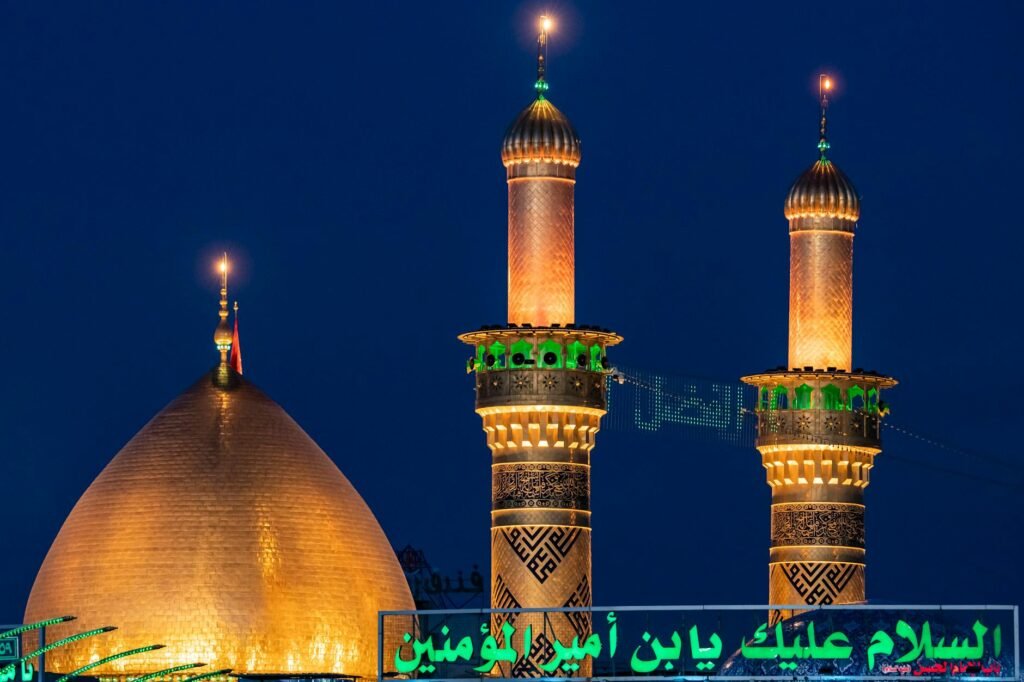

- Introduction: Why Muharram is Special
Muharram is the first month of the Islamic calendar, and its significance goes beyond fasting. It is a time for reflection, forgiveness, and spiritual growth. Every Muslim should know why this sacred month is revered and how to make the most of it. The lessons from Muharram, especially the story of Karbala and Ashura, are timeless and relevant for both spiritual and practical life. This guide will help Muslims worldwide understand its importance and implement Sunnah practices in daily life.

- Muharram Marks the Start of the Islamic Year
Unlike the Gregorian New Year, the Islamic year begins with Muharram, inviting believers to set spiritual goals. Muslims use this time to review their deeds, repent, and seek Allah’s guidance. The lunar calendar changes every year, making Muharram a unique reminder that life is cyclical, and every year brings new opportunities for growth, patience, and devotion.
- Ashura – The 10th Day of Muharram
The 10th day, Ashura, holds deep significance. Prophet Musa (AS) was saved by Allah from Pharaoh on this day, and Prophet Muhammad ﷺ emphasized fasting on Ashura. Fasting purifies the heart, brings spiritual rewards, and teaches gratitude. Muslims globally observe Ashura by fasting, making dua, and reflecting on Allah’s mercy and power. It is a day of both remembrance and action, combining historical lessons with present-day devotion.
- Fasting in Muharram is Highly Recommended
The Prophet ﷺ said: “The best fasting after Ramadan is in the month of Allah, Muharram.” Fasting during this month, especially on the 9th and 10th, is a Sunnah that increases closeness to Allah. Fasting not only cleanses the soul but also disciplines the body and mind. The spiritual benefit of self-restraint and devotion far outweighs the physical challenge of abstaining from food and water during the day.

- Remembering Karbala and Imam Hussain (RA)
The sacrifice of Imam Hussain (RA) at Karbala is a lesson for every Muslim. Standing for truth, justice, and faith, Hussain (RA) became a symbol of courage against oppression. Remembering Karbala in Muharram teaches patience, resilience, and unwavering faith in Allah’s plan. Every Muslim should reflect on these principles and apply them in personal and social life.
- Dua and Remembrance are Key
Dua is a powerful tool during Muharram. Simple daily prayers, as well as specific supplications for forgiveness, protection, and guidance, help strengthen faith. Repeating dhikr such as SubhanAllah, Alhamdulillah, Allahu Akbar keeps the heart calm and focused. The Prophet ﷺ emphasized constant remembrance of Allah, and Muharram is the perfect month to intensify this practice.
- Charity and Helping Others
Muharram encourages Muslims to engage in charity. Feeding the poor, supporting orphans, or donating to masjids multiplies rewards. Prophet Muhammad ﷺ said, “Generosity during sacred months is multiplied many times.” Giving charity during Muharram purifies wealth, increases barakah, and aligns the heart with compassion and empathy.
- The Spiritual Power of Reflection
Muharram is ideal for introspection. Reflect on your deeds, mistakes, and spiritual goals. Writing a journal, making dua, or spending quiet time on prayer strengthens your connection with Allah. Self-reflection transforms not just your mind but also your soul, turning Muharram into a month of renewal.

- The Importance of Niyyah in Fasting
Every fast must begin with sincere intention (niyyah). Saying:
“I intend to fast on Ashura for Allah’s sake”
connects your actions with faith. Niyyah ensures the fast is accepted and carries spiritual weight. Fasting without intention is like a body without soul — actions matter, but intentions define their value.
- Learning from the Prophets
Muharram reminds Muslims of the stories of Prophets, especially Musa (AS) and Isa (AS). These lessons are timeless: patience, obedience, and trust in Allah during adversity. Incorporating these teachings into daily life strengthens resilience and faith.
- Family Education During Muharram
Teach children the significance of Ashura, Karbala, and fasting. Reading stories together, discussing moral lessons, and practicing Sunnah creates strong family bonds. Children learn patience, gratitude, and devotion by observing their elders during this sacred month.
- Avoiding Excessive Mourning
While remembering Karbala is essential, Islam warns against extreme or innovative rituals. True remembrance is through prayer, fasting, charity, and learning the lessons of sacrifice. Balance ensures spirituality without superstition.
- Spiritual Benefits of Fasting
Fasting increases empathy, self-discipline, and gratitude. During Muharram, fasting purifies sins and strengthens the heart. It is a reminder that controlling desires leads to spiritual elevation and a stronger connection with Allah.
- Connecting Muharram with Daily Life
Lessons of courage, patience, and faith from Karbala can be applied in everyday challenges. Facing injustice, helping others, and maintaining honesty reflect the spirit of Muharram. This integration turns historical lessons into practical life guidance.
- Sunnah Practices to Observe
Apart from fasting, Muslims are encouraged to recite Quran, pray extra nafl, and perform dhikr. These Sunnah practices increase reward and spiritual closeness. Simple acts of devotion during Muharram strengthen faith and build consistency in worship throughout the year.
- The Power of Collective Remembrance
Community prayers, online sessions, and mosque gatherings during Muharram create unity. Muslims worldwide collectively remember Allah and Karbala. This global connection strengthens the Ummah and reinforces shared values of faith, patience, and justice.
- Charity Beyond Fasting
Small acts like feeding neighbors, donating school supplies, or supporting Islamic projects amplify reward. Sincere charity in Muharram is considered more blessed than other months. These actions cultivate generosity and empathy.
- Using Social Media for Islamic Knowledge
Share authentic articles, videos, or quotes about Muharram online. This spreads awareness and encourages others to fast, pray, and learn. Digital platforms can multiply the impact of your devotion when used wisely.
- Reflection at the End of the Month
As Muharram ends, review your spiritual journey. Evaluate your fasting, dua, and charity. Set goals for the rest of the year to maintain faith, patience, and connection with Allah. Reflection ensures that lessons from Muharram are carried forward.
- Conclusion: Muharram as a Path to Barakah
Muharram is more than a month — it is a guide for living with faith, courage, and patience. By fasting, making dua, giving charity, and remembering Karbala, every Muslim gains spiritual barakah. Start your Islamic year with purpose, devotion, and hope.


